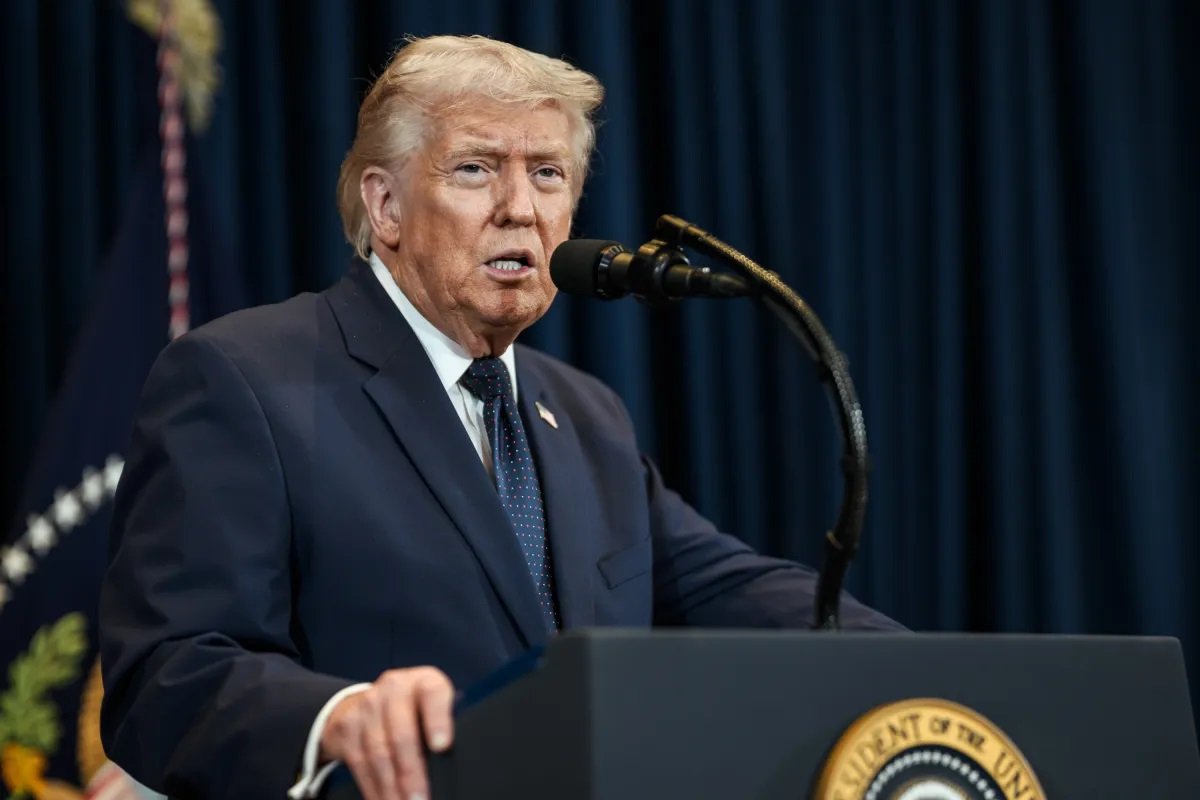
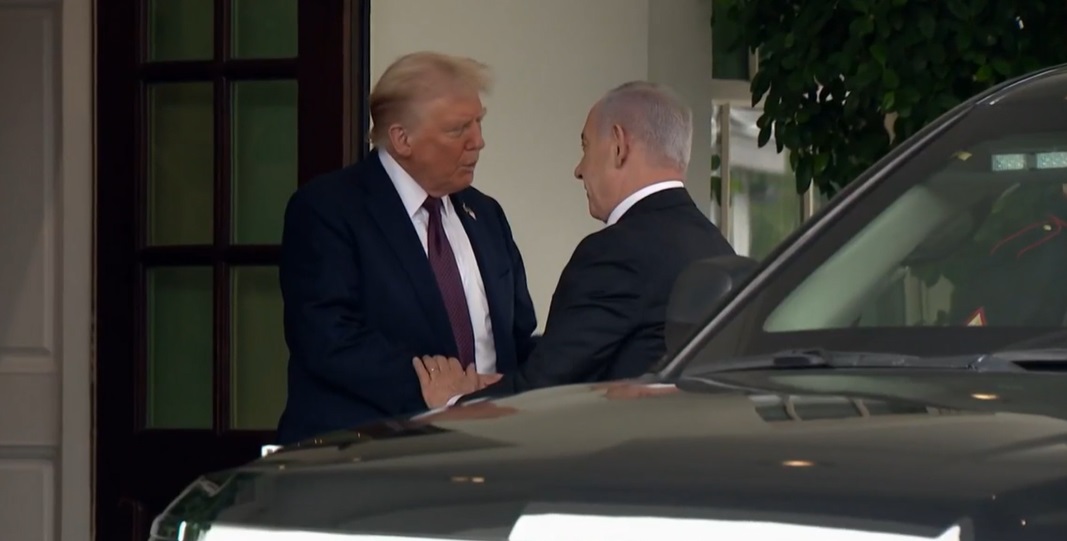
Washington, September 30 (HS): US President Donald Trump on Monday unveiled his much-anticipated peace proposal for Gaza after meeting Israeli Prime Minister Benjamin Netanyahu at the White House. Trump said the United States was very close to reaching a deal but warned that if Hamas rejected the plan, Israel would receive Washington’s full backing to continue its military campaign.
If Hamas does not agree to this plan, Israel will carry on its operations, and it will have our complete support for whatever it needs to do, Trump told reporters at the White House.
Key Elements of the US Plan
According to NBC News, the 20-point American framework begins with an immediate ceasefire under which Hamas must release all hostages within 72 hours. In return, Israeli troops would gradually withdraw, paving the way for a permanent truce. The White House added that Hamas members who lay down arms and pledge peace would be granted amnesty, while safe passage would be provided to those choosing to leave Gaza. Humanitarian aid, under the management of the United Nations, the Red Crescent, and aid agencies, would resume, and Gaza’s reconstruction would be carried out for the benefit of its people.
The proposal envisions a two-tier governance model for Gaza, with an international body overseeing a Palestinian committee. Hamas would have no role in administration. Importantly, the deal rules out the forced displacement of Palestinians. A regional stabilizing force, composed of neighboring Arab states, would also be deployed to oversee security in the enclave.
White House Envoys and International Involvement
Trump emphasized that the peace push is being closely coordinated by senior aides, including special envoy Steve Witkoff, son-in-law Jared Kushner, Vice President JD Vance, and Chief of Staff Susie Wiles. Former British Prime Minister Tony Blair is also expected to play a role in a proposed Gaza “Peace Board.”
The Palestinian Authority welcomed the American initiative, stressing the importance of US partnership in restoring regional stability. At the same time, Israel continues to face mounting international isolation, with several Western powers recognizing Palestinian statehood and condemning Israeli strikes on famine-stricken Gaza.
Reactions and Obstacles
Trump reiterated grievances about the United Nations General Assembly session in New York last week, while Netanyahu expressed “deep regret” over the death of a Qatari soldier in an Israeli strike on Hamas leaders in Doha. Netanyahu assured that such an attack would not happen again.
Sources suggest that the US timeline for Israel’s full troop withdrawal from Gaza remains undefined.The White House press secretary, Caroline Levitt, cautioned that both sides would need to make “significant sacrifices” under the deal. Analysts say the US appears determined to press for an end to the war and could seek to leverage its influence over the Netanyahu government.
Hamas Response and the Hostage Crisis
Hamas responding late Monday insisted it would only release its remaining captives — estimated at 48, with barely 20 believed alive — in exchange for a permanent ceasefire and Israeli withdrawal from Palestinian territories. The armed wing, the Qassam Brigades, claimed it had lost contact with two prisoners amid ongoing Israeli bombardments.
The hostage crisis stems from the unprecedented Hamas-led attacks on October 7, 2023, which killed 1,200 people and saw around 250 individuals abducted to Gaza. Since then, more than 66,000 people have been killed in Israel’s relentless offensive on the enclave.
Hindusthan Samachar / Jun Sarkar