
By Musaib Bilal
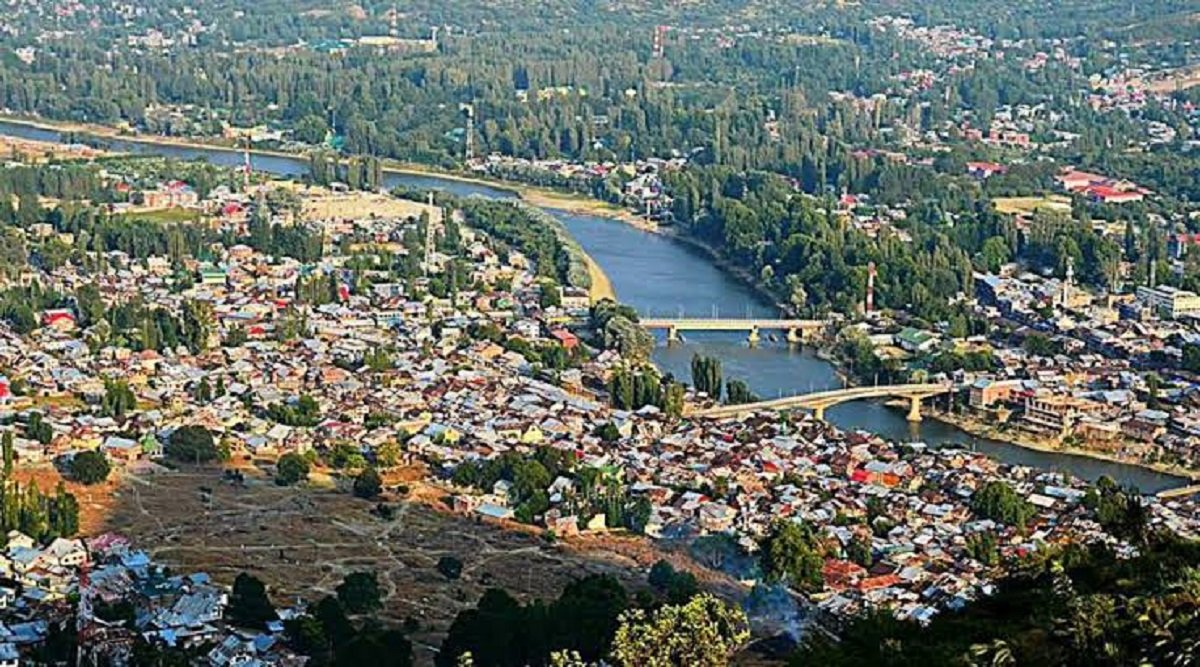
Srinagar in winter has a sharp, crisp air. Smoke curls from small tea stalls, streets glint under frost, and inside narrow workshops, artisans work with focus.
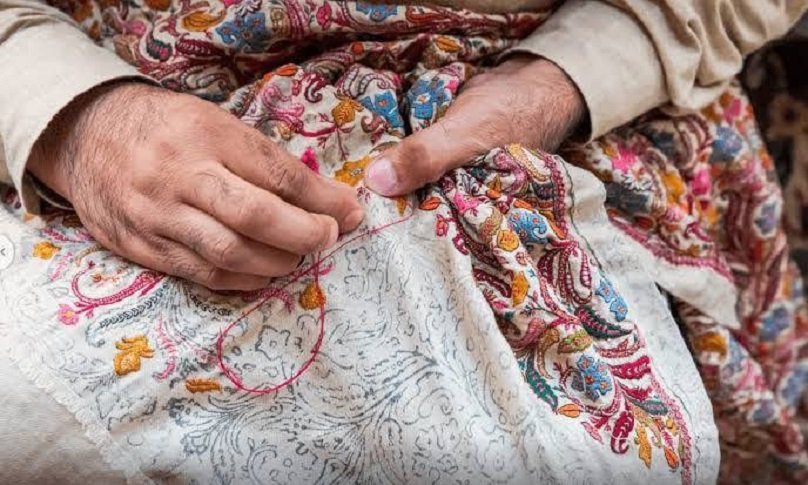
An elderly weaver smooths a Pashmina shawl across his lap, running his fingers over threads that took weeks, sometimes months, to knot.
Each piece tells a story of patience, skill, and generations of knowledge passed down like a secret.
These are the heart of a culture that has always expressed itself through its hands.
Kashmir crafts, including Pashmina, Kani weaves, carpets, papier-mâché, and walnut woodwork, have always been admired worldwide. Tourists and collectors marvel at them, and shops display them like treasures.
Still, behind the beauty, many artisans struggle. Machine-made imitations sell cheaply under Kashmiri names. Middlemen take most of the profits. Raw materials cost more each year, and months of labour often fail to cover basic living expenses.
Young people watch their parents work tirelessly and sometimes leave the craft from necessity.
The crafts have not lost value. The world has stopped valuing the people who make them.
But now, signs of revival are emerging from the valley.
Geographical Indication, or GI tagging, has given these crafts legal recognition. It protects artisans from imitation and recognize the work behind each piece. Crafts once seen as old-fashioned are now being seen as living heritage.
This recognition has opened doors for a new generation. Young Kashmiris share videos of their fathers weaving, showcase walnut carving online, and sell directly to customers around the world.
For the first time, artisans tell their own story. People outside Kashmir see the hands behind the work, the hours of effort, and understand the real value of each piece.
Pride is returning to the craft, and a sense of purpose comes with it.
But revival is still slow and soft. Crafts thrive when artisans are paid fairly, materials are accessible, and work is relevant.
Learning digital skills, selling online, and building a brand are as important as weaving or carving.
When people see craftsmanship as a respected profession, young artisans feel encouraged to stay. They hold on to the tradition because it helps them build a life, not because they are forced to carry it.
Made in Kashmir stands for something deeper than the words stitched on a tag.
A Pashmina shawl, a carpet, or a carved box carries the memory of the valley and the craftspeople who shaped it.
In a fast-moving world of mass production, these works remind us that some things are made slowly, carefully, and with love.
Their survival depends on the people who make them.
When the world values both the craft and the craftsperson, the tradition lives on, reaching homes far from Kashmir while still rooted in the hands that created it.
- The author is currently pursuing a bachelor’s degree at Amar Singh College. He can be reached at [email protected].