The matchmaker steps into the house once again, adjusting her dupatta and letting out a tired breath, a small sign of how familiar this visit has become.
Insha knows what comes next. She reaches for clothes that signal tradition, aware that this visit, like so many before it, carries unspoken rules.
At 35, she finds herself caught in a system that measures her worth through narrow ideas of marriageability that still shape Kashmir’s social life.
The tension rises in her chest as the conversation begins. Insha’s frustration spills beyond the room and into a larger unease with customs that leave little space for choice.
Marriage here often arrives wrapped in authority, guided by elders, matchmakers and long-standing assumptions about how a woman should look, speak and live.
Four years earlier, the matchmaker had crossed a threshold that reached deeper than Insha’s home. Along with introductions came a list of instructions meant to improve her chances.
She remembers being told to control her laughter, limit her voice, and erase parts of herself from public view, including photographs on social media.
These changes were framed as guidance, presented with concern. “The list was supposed to make me more eligible,” Insha says, repeating a word that now feels heavy with judgment.
The process stretched on, one proposal giving way to another, each ending under a different form of scrutiny.
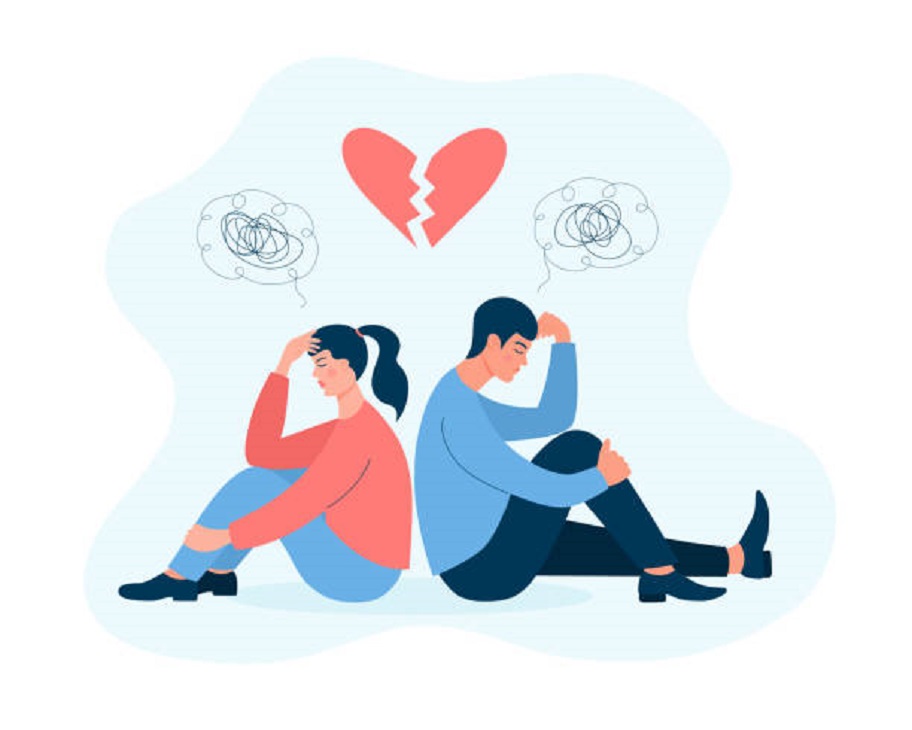
Over time, the strain settled into her body and mind. Insha entered a severe depressive episode that required medical care. The treatment altered her physical health, including weight gain, which she says only reinforced the feeling of being disqualified.
Wedding prospects narrowed further as health became another mark against her.
Marriage remains a central marker of social stability, particularly for women, in Kashmir. Families often weigh government employment against private jobs, inherited property against earned income, and appearance against ideas of respectability.
According to local studies and health professionals, delayed marriages have become more common over the past decade, driven by unemployment, prolonged education and economic uncertainty.
Social expectations, however, continue to demand early and ideal matches, creating pressure that many struggle to manage.
Insha encountered suitors who found her too modern and others who found her too plain.
Each rejection carried its own reasoning, leaving her suspended between competing ideals.
The process drained her family, who assessed proposals through the same measures that judged her.
Conversations at home began to circle around job titles, salaries and assets, reinforcing the sense that love and companionship had little place in the discussion.
In Srinagar, Unaiz arrives home from work to find his mother waiting near the kitchen counter, worry etched across her face. He sets down his office bag and asks what is troubling her, though the answer feels familiar.
The matchmaker has returned with another list of prospects and another account of why nothing has worked.
Families have raised concerns about his job at a small private company, questioned the family’s wealth, commented on his appearance, including his baldness. The pattern feels endless to Unaiz’s mother.
The mother-son exchange has become part of daily life over the past two years. Unaiz listens, reassures her and turns away, weighed down by a process that has stripped marriage of anticipation.
He tells her to leave the matter to Allah, a phrase that offers comfort while also marking his withdrawal. Years of being evaluated on income, status and looks have dulled his desire to engage.
Marriage, once imagined as a shared beginning, has come to feel like an administrative task.
Insha and Unaiz’s stories show a tension many families in Kashmir face today.
Personal choices, ambitions, and emotional well-being often clash with expectations shaped by old ideas of security, family honour, and social standing.
Mental health experts say anxiety and depression are rising among young adults under these pressures, even as open conversations about well-being remain rare.
Each visit from a matchmaker sends the same message: adapt, tolerate, and follow the rules.
Years pass, confidence fades, and lives stay on hold, waiting for approval that may never come.
In these rooms, a question grows: can marriage in Kashmir value people for who they truly are, beyond checklists and conditions?
Meanwhile, Insha smooths her dupatta, straightens her posture, and practices a smile, bracing herself for the sudden knock that announces the next visit.