
By Dr. Mushtaq Rather
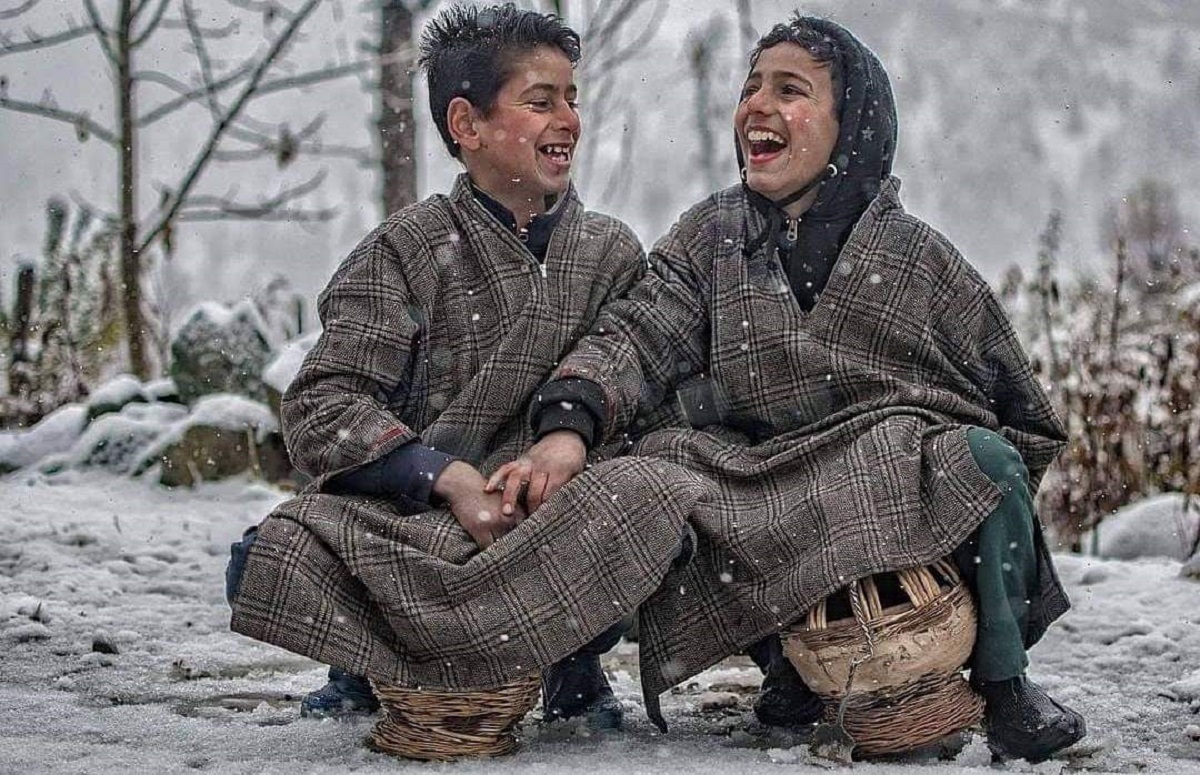
Winter in Kashmir is harsh, long, and often unforgiving.
Schools close for nearly three months, cutting children off from classrooms and structured learning.
No other region in India faces such extended breaks, not even when the thermometer climbs to 50 degrees in summer.
Elsewhere, children make the most of school holidays. They join summer camps, explore outdoor activities, and learn skills that last a lifetime.
They move, play, and grow, while in Kashmir, many children spend the break indoors, sedentary, glued to screens.
Why do our children sit idle during months that could be rich with experiences? Why not encourage them to step outside, feel the cold, and discover the world beyond their screens?
Facing the challenges of winter can teach grit, gumption, and grace. On the other hand, keeping children indoors for long stretches can harm their physical health, mental balance, and emotional wellbeing.
Winter does not have to be a pause in life. With guidance, it can become a season of learning, growth, and connection.
One of the most important ways to use winter effectively is by focusing on life skills.
Our schools mostly reward memorization and grades. Students are celebrated for how much content they can absorb and repeat in exams. This system leaves little room for exploring curiosity, creativity, or emotional intelligence.
Winter can change that.
It can give children the time to develop skills that schools often overlook. They can learn respect for life and nature, develop gratitude, discover the dignity of labour, and strengthen their emotional and psychological strength. They can build physical fitness, social skills, intellectual depth, mental sharpness, and discipline.
These are not skills taught in textbooks but skills that prepare children for life.
The National Education Policy of 2020 emphasizes exactly this shift, from content to competency, and memorization to real-world skills.
Winter offers an opportunity to put that vision into practice. Life skills learning encourages children to explore, ask questions, solve problems, and take charge of their own learning. It allows them to grow into thoughtful, confident, and capable individuals, ready to handle the complexities of the 21st century.
Winter can also be a time to strengthen family bonds.
In many homes, family conversations have dwindled. Screens dominate spare time, and each member retreats into their own digital world. Children imitate the adults around them.
When parents fail to value in-person connections, children follow suit.
Winter break offers a chance to bring families back together. Parents can start conversations, share stories, and make room for meaningful interactions. Phone-free hours in the evening can spark discussions on anything from daily life to science, sports, or culture.
Grandparents, once the heart of the household, can play a vital role. They can share stories, teach lessons, and pass down values of empathy and compassion.
In return, children can engage in simple acts of care, helping grandparents with meals or household tasks.
Such moments of connection leave lasting impressions. They teach children responsibility, kindness, and the joy of giving.
Winter, when time is abundant, can revive the warmth and closeness that screens have eroded.
Another area winter can nurture is reading.
The habit of reading has declined as children spend more time on phones and tablets. Reading offline books, newspapers, or magazines has unique benefits. It improves concentration, expands vocabulary, and fuels imagination. It also protects eyesight, which is increasingly important as studies predict that by 2037, over half of Indian children may become myopic.
Winter is an ideal season to reignite a love for reading. Children can explore storybooks, novels, comics, and newspapers. Some publications offer child-friendly weekly editions filled with stories, puzzles, and age-appropriate news that sharpen both knowledge and creativity.
Through reading, children learn about the world. They gain awareness of current affairs, science, sports, the environment, and society. They develop critical thinking skills that prepare them for life.
Winter allows uninterrupted time to enjoy stories and cultivate curiosity. The joy of holding a book, turning its pages, and losing oneself in a narrative cannot be replicated by scrolling on a screen.
Winter in Kashmir is often seen as a season to endure, but it can become a season to embrace.
It can teach life skills, nurture grit, strengthen families, and spark a love of reading. It can help children grow physically, emotionally, socially, and intellectually.
All it requires is a little imagination, some guidance, and the courage to step beyond the routine of indoor comfort.
- The author is an educator and columnist based in Mattan, Kashmir. He can be reached at [email protected].