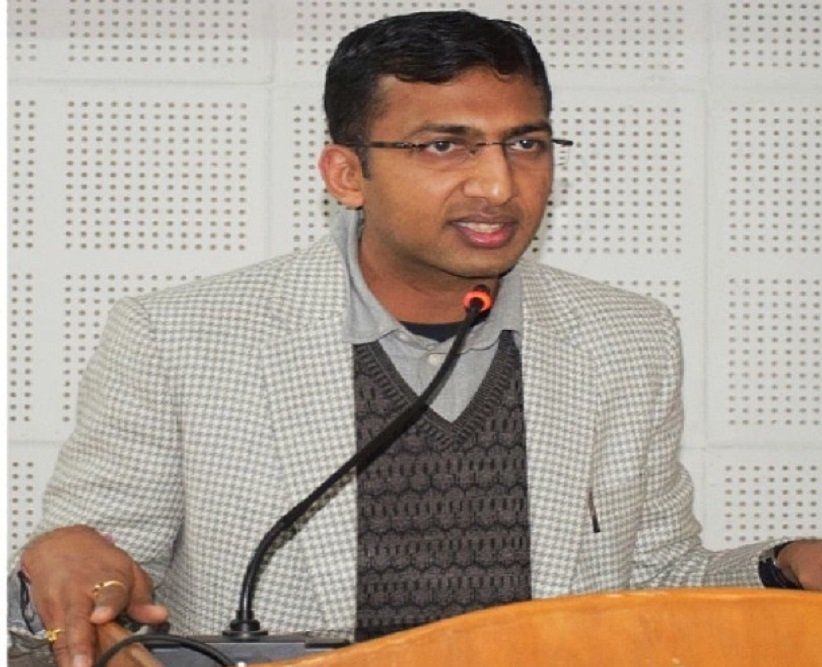
Srinagar- Drug addiction has witnessed a three fold increase in Kashmir over the last three years, with heroin consumption rising sharply among the younger population, Divisional Commissioner Kashmir Anshul Garg said on Saturday, calling it a serious warning signal for society.
Speaking to reporters, Garg said drug addiction has emerged as a major challenge across the Valley. “There has been a three fold increase in the last three to three and a half years. It is a warning signal for all of us,” he said.
He expressed concern over the growing use of heroin among youth, particularly students. “Young people whether they are in educational institutions, colleges or coaching centres are getting involved. The consumption of heroin is increasing and it is a huge concern for us,” Garg said, stressing the need for a collective societal response to tackle the problem.
The Divisional Commissioner said a massive drug de addiction campaign is currently underway across Jammu and Kashmir and is being personally monitored by the Chief Secretary to ensure effective implementation. He added that the administration is focusing on awareness, early identification of cases, and timely rehabilitation.
The District Administration Srinagar on Friday brought together Masjid Imams and religious scholars for an Orientation-cum-Capacity Building Workshop at the Institute of Mental Health and Neurosciences, underscoring the role of faith leaders in taking the anti-drug message deeper into communities.
The workshop was attended by over 100 prominent religious scholars, including Imams and Ulemas from across the Valley, along with members of civil society. The initiative aimed to equip religious leaders with a better understanding of drug addiction, its social and psychological consequences, and the support mechanisms available for prevention and rehabilitation.
Divisional Commissioner Kashmir, Anshul Garg, who was the Chief Guest on the occasion, urged religious scholars to actively support the administration in sensitising people, particularly the youth, about the harmful effects of drug abuse. He called on Imams to use Friday sermons to convey that drug consumption is prohibited across religions and poses a serious threat to individuals, families, and society.
“Religious clerics are already part of the anti-drug campaign, but there is a pressing need to intensify their participation to reach deeper into communities,” he said.
He said clerics have a strong influence at the grassroots level and can play an effective role in spreading awareness about the dangers of drug abuse.
He said the administration has adopted a three stage approach to tackle the menace, focusing on awareness generation, identification of victims, and counselling and rehabilitation. Emphasising early intervention, he encouraged families to report cases of substance abuse and seek timely help from Drug De-addiction Centres for professional treatment and guidance.
Deputy Commissioner Srinagar, Akshay Labroo, termed the rising drug menace a matter of grave concern and called for collective efforts to address it. He said drug abuse not only ruins the life of an addict but also disrupts families and weakens the social fabric. The DC stressed that while the administration is taking stringent measures, the involvement of religious scholars and parents remains critical.
The Deputy Commissioner also outlined the district administration’s rehabilitation policy, aimed at reintegrating drug victims with their families, and highlighted the deterrence measures being undertaken to break the supply chain and curb drug peddling in Srinagar.
Principal GMC Srinagar, Prof. (Dr.) Iffat Hassan Shah, highlighted the importance of Imams as trusted community leaders who can help in prevention, early intervention, and reducing the stigma associated with addiction. Prof. (Dr.) Arshad Hussain, Head of the Department of Psychiatry at IMHANS-GMC Srinagar, spoke about the growing burden of substance use disorders in the region and stressed the need for sustained community participation.
Earlier, mental health experts made detailed presentations on substance abuse, its treatment, existing policies, and the preventive and rehabilitation services available, highlighting the importance of early identification and continued awareness at the community level.
Several religious scholars who addressed the gathering echoed the need for such targeted initiatives and pledged to play an active role in spreading awareness against drug abuse within their respective communities.