By Peerzada Mohsin Shafi
One morning, a video appeared on a local digital portal in Jammu.
Shot outside a well-known hotel, it suggested wrongdoing but offered no evidence.
Within hours, messages arrived demanding the video be removed in exchange for payment.
Police intervened soon after, registering a case of extortion and harassment.
The clip vanished, but the episode stayed as a signal of a wider pattern taking shape across Jammu and Kashmir.
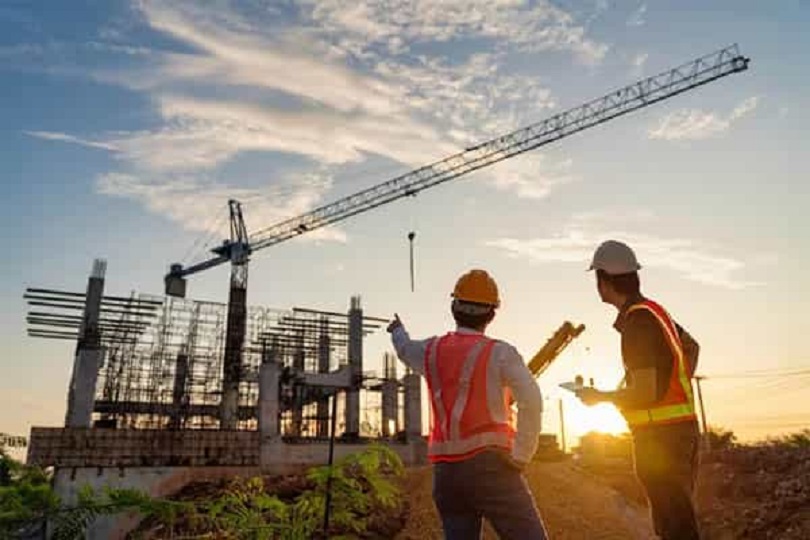
Infrastructure work in the region has gained pace in recent years. Highways are being widened to cut travel time through difficult terrain. Hydropower projects are rising in river valleys rich with potential. Rural roads under national schemes are reaching villages that once depended on seasonal access.
These projects shape daily life by linking markets, improving services, and opening paths to work. They represent a long-awaited shift from isolation to connection for many communities.
Each new project, though, seems to attract a familiar set of visitors.
They arrive as concerned citizens, activists, or community voices. Public good frames their message, but private interest often drives their action.
Contractors describe early visits that begin with questions and end with demands. Money, jobs, or special treatment is sought in return for cooperation. Refusal brings threats of protests, complaints, or online campaigns designed to cause trouble.
Environmental care, labour rights, and cultural protection form the language of these claims.
These concerns deserve space and respect, especially in a sensitive region. Problems arise when accusations stretch facts or when technical judgments come from people without training or accountability.
Construction firms have faced pressure to hire workers with no skills or accept changes that disrupt planning. Hydropower projects in the Chenab Valley have reported repeated interference over labour arrangements, pushing deadlines further and raising expenses.
Digital platforms have magnified this pressure.
A single post can gather attention faster than any official response. Fake profiles repeat the same claims, making a small issue look widespread.
Some online portals operate without editorial checks, publishing content that draws clicks before verification. Even transparency laws have faced misuse through repeated applications aimed at harassment rather than information.
The case in Jammu is not alone.
In Baramulla, a man posing as a journalist threatened municipal staff and project supervisors, offering silence in return for cash. Police later arrested him on charges linked to intimidation and extortion.
Similar incidents reported elsewhere show how unchecked platforms and borrowed titles allow individuals to pressure officials and companies.
Businesses take the hit, public work slows, and genuine journalism loses ground.
The cost of this pseudo-activism is big.
Project teams spend time responding to threats instead of meeting targets. Budgets stretch as work stalls. Investors grow cautious when interference feels unpredictable. Public funds carry the burden, and citizens grow frustrated as promised timelines slide.
Development loses momentum due to sustained pressure from those misusing civic language.
A formal system to register and accredit groups raising project concerns would help separate credible voices from opportunistic ones.
A structured grievance platform, with clear timelines and evidence-based review, could address complaints without letting parallel campaigns disrupt work.
Defined standards for activism, media conduct, and public engagement around development projects would set boundaries.
Penalties for coercion, extortion, misrepresentation, and procedural abuse would deter misuse.
Speedy handling of such cases would signal that intimidation brings consequences.
Accreditation norms for journalists and activist groups would further strengthen trust.
Open access to information remains essential. When project details, environmental clearances, land plans, and community consultations are easy to find, false claims lose force.
Contractors and officials also need protection from harassment so work can proceed without fear.
None of this undermines real activism. Responsible civic voices have improved policy, protected workers, and strengthened accountability. Their role remains vital.
The aim is to protect that space while stopping its misuse.
Back in Jammu, the hotel looks much the same as it did before the video appeared. Construction nearby has moved on, slower in tone, more alert in mood. The work never stopped, but the atmosphere around it changed.
What began as a short clip and a demand showed how easily a project can be pushed off course.
A single post was enough to shift attention away from steel, concrete, and timelines toward threats, explanations, and damage control.
The future of such projects will rest on clear rules, open access to facts, and a firm separation between genuine public concern and private pressure disguised as activism.
- The author is an infrastructure columnist from Anantnag. He writes on development, public policy, and governance, and can be reached at [email protected].