
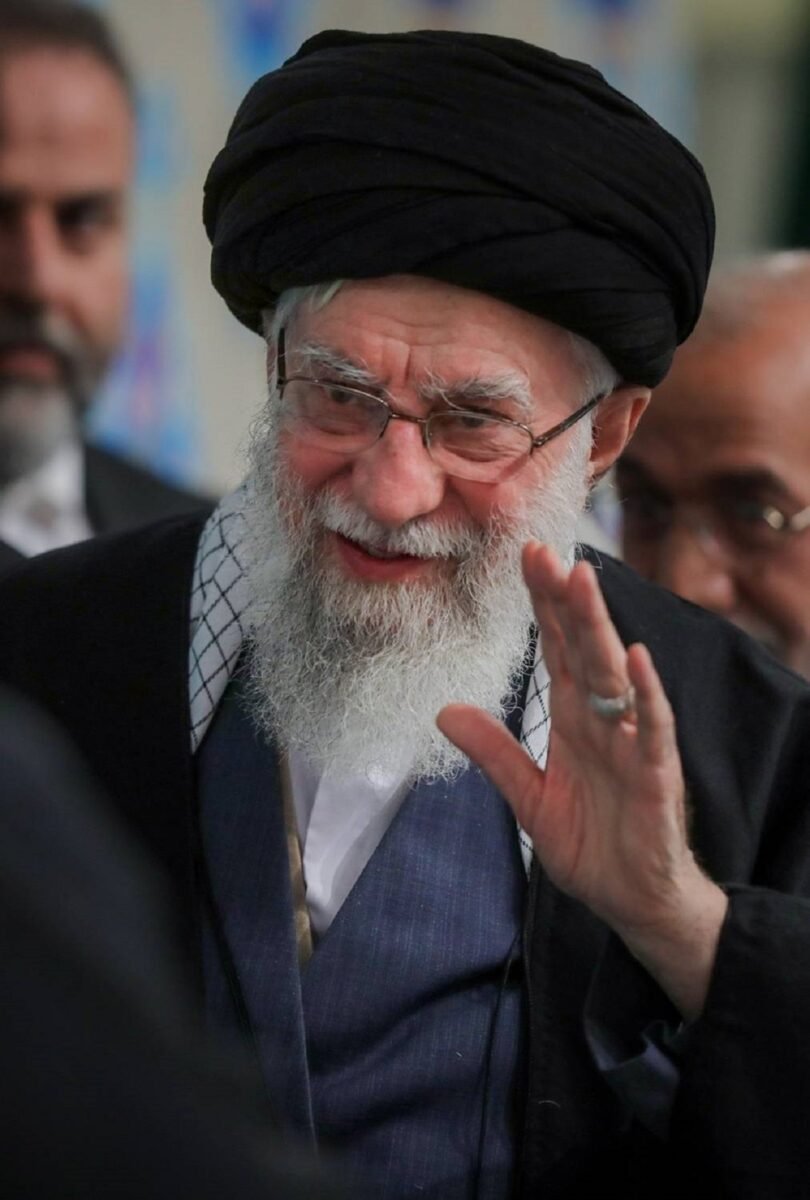

Tehran – Iranian authorities have launched extensive security, traffic and logistical preparations for the funeral ceremonies of the late Leader of the Islamic Revolution, Ayatollah Seyyed Ali Khamenei, with officials expecting one of the largest public gatherings in the country’s history as millions of mourners from Iran and abroad are set to participate.
The multi-city funeral programme, scheduled between July 7 and July 9, will span Tehran, Qom, the Iraqi holy cities of Karbala and Najaf, and Iran’s northeastern city of Mashhad, where Ayatollah Khamenei will be laid to rest at the shrine of Imam Reza (AS), the eighth Shia Imam.
Iranian officials estimate that attendance across the ceremonies could range between 18 million and 35 million people. Authorities have projected that Tehran alone may witness between 15 million and 20 million mourners, while Mashhad is expected to host another eight to 10 million participants.
Officials said the funeral arrangements represent one of the most extensive security and logistical operations undertaken in recent years. Tehran is expected to receive nearly two million incoming vehicles, prompting authorities to implement elaborate traffic diversion plans, public transport arrangements and emergency response systems.
Police, intelligence agencies, emergency services and municipal authorities have coordinated contingency plans covering crowd management, transportation, medical assistance and potential security threats associated with the large-scale gatherings.
Iranian officials said delegations and visitors from Iraq, Turkey, Azerbaijan, Afghanistan, India, Pakistan and several other regional countries have expressed their intention to attend the ceremonies.
Following the Tehran events, funeral rites will be held in the holy city of Qom before the cortege proceeds to Iraq, where the cities of Karbala and Najaf are preparing to host commemorative processions on July 8.
Iraqi authorities, working in coordination with the Iranian Embassy and various state institutions, have begun logistical preparations for the ceremonies, which are also expected to attract millions of mourners from across Iraq and neighbouring countries.
The decision to hold part of the funeral procession in Iraq followed widespread appeals from Iraqi religious scholars, tribal leaders, intellectuals and citizens, according to organisers.
Commenting on the planned ceremonies, Iraqi writer Mohammad Sadiq al-Hashimi said the event would underscore the close relationship between Iraq and Iran while reflecting what he described as the enduring influence of the Hussaini movement among Iraqi Shias.
He said the anticipated turnout would send a strong political message to regional adversaries and reinforce the strategic and religious bonds between the two neighbouring countries.
After the ceremonies in Iraq, the funeral procession will return to Iran, where Ayatollah Khamenei will be buried on July 9 at the holy shrine of Imam Reza (AS) in Mashhad.
Eighty Six year old Ayatollah Khamenei, along with several members of his family and senior Iranian officials, was assassinated by the US and Israel when their forces targeted his residence-cum-office in Tehran on February 28.
The funeral ceremonies are expected to draw political leaders, religious figures and delegations from across the region, making the event one of the most significant public commemorations in Iran and Iraq in recent decades.