

Jammu and Kashmir needs a more careful approach to development in its mountains.
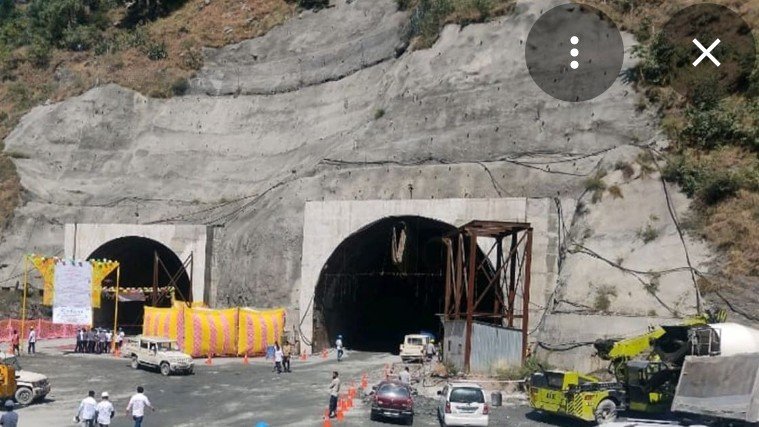
Roads, tunnels, hotels and hydropower projects create jobs and support the economy, but construction in the Himalayas comes with risks that cannot be ignored.
The region’s development plans must take account of the land, slopes and natural systems on which these projects depend.
A draft Sustainable Mountain Development Policy 2026, submitted to the J&K government, raises serious concerns about the environmental pressure on the mountains. It warns that development without proper safeguards could cause lasting damage within a generation.
The draft also points to a major weakness in current planning: the economic benefits of projects often receive more attention than their environmental costs.
Scientific research shows why this needs to change.
A study published in Scientific Reports on November 10 examined landslide risks along the Baltal-Amarnath-Panjtarni-Poshpathri pilgrimage route. It found that 16 per cent of the surveyed area had high susceptibility to landslides, while another 68.1 per cent fell into the moderate-risk category.
Steep slopes, weak rock formations, road cutting and changes to natural drainage were among the factors behind the risk. The study also recorded a warming trend of nearly 2 degrees Celsius in recent decades.
These findings should influence decisions about new infrastructure.
Cutting roads into unstable slopes, blocking natural water channels and dumping excavated material into streams can weaken mountain slopes and increase the risk of landslides. Such damage can threaten settlements, roads and livelihoods. Project approvals should therefore depend on scientific assessments rather than construction costs and economic projections alone.
Tourism also needs better planning. Jammu and Kashmir recorded around 2.36 crore tourist visits in 2024, according to the draft policy. Popular destinations such as Gulmarg, Pahalgam and Sonamarg face growing pressure from construction, traffic, waste and sewage.
Tourism supports local businesses and employment, but uncontrolled expansion can damage the natural surroundings that attract visitors.
The draft proposes dividing mountain areas into four ecological sensitivity zones, setting visitor limits at popular destinations and introducing special standards for roads, tunnels and hydropower projects. It also recommends a Mountain Development Authority with powers to enforce these rules.
The government should turn these proposals into clear and enforceable rules. Geological surveys, slope studies and environmental assessments must guide project approvals. The combined impact of several projects in the same mountain region should also be examined. A proposed Mountain Knowledge Centre could help monitor glaciers, springs, biodiversity and disaster risks.
Jammu and Kashmir needs investment and infrastructure, but development plans must respect the limits of the land. The government should make scientific evidence the basis of its decisions.
The cost of ignoring the Himalayas’ natural limits will eventually be paid by the people and the economy that development is meant to serve.