![Asim Munir Tells Taliban to Choose Between TTP & PakistanIslamabad, Dec 21 (PTI) Chief of Defence Forces Field Marshal Asim Munir has asked Afghanistan's Taliban regime to choose between TTP and Pakistan, saying that a majority of militant groups infiltrating across the border comprise Afghan nationals.Addressing the National Ulema Conference in Islamabad recently, Munir also drew parallels between Pakistan and the state established by the Prophet 1,400 years ago in the Arab region (today's Saudi Arabia).While official details of the address delivered on December 10 were limited, selected clips of his speech were broadcast on local television on Sunday.Munir asked the Afghan Taliban government to choose between Pakistan and Tehreek-e-Taliban Pakistan (TTP), saying that Afghan nationals form the major part of terrorism coming from across the border.“In the TTP formations coming [into Pakistan], 70 per cent are Afghans,” he said. “Is Afghanistan not spilling the blood of our Pakistani children?”He reiterated his call that the Afghan Taliban should choose between Pakistan and the TTP.The CDF further said that no one could order jihad in an Islamic state other than the state itself.“No one can issue a fatwa for jihad without the order and permission and will of those vested with the authority,” he said during the conference.His speech was loaded with Islamic references, and he also cited multiple verses from the Quran during his address.The Field Marshal also stated that there are 57 Islamic countries in the world, and among them, “God gave us the honour of being the protectors of Haramain Sharifain (a reference to Makkah and Madina).”He also claimed that Pakistan got “divine help” during the May conflict with India. “We felt it (divine help),” he claimed.India launched Operation Sindoor on May 7, targeting terror infrastructure in Pakistan and Pakistan-occupied Kashmir in retaliation for the Pahalgam attack that killed 26 civilians.The strikes triggered four days of intense clashes between the two countries and ended with an understanding to stop the military actions on May 10.](https://kashmirobserver.net/wp-content/uploads/2021/05/Bangladesh-India.jpg)
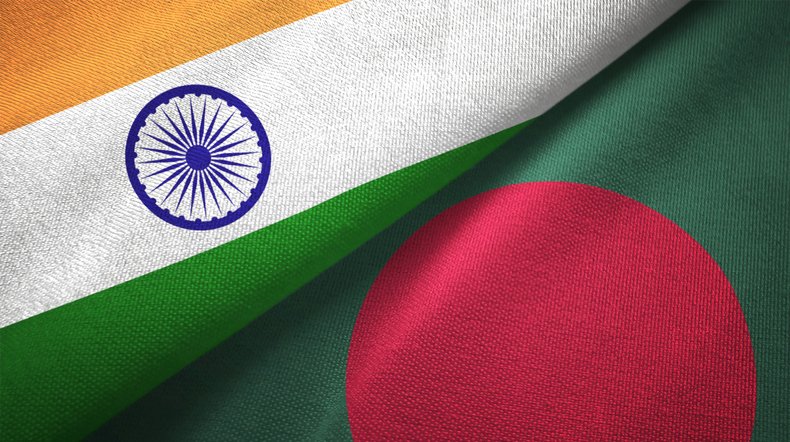
Dhaka- Bangladesh on Sunday “entirely” rejected India’s comments over “Hindu extremists” demonstration in front of its high commission in New Delhi, questioning how the protesters were allowed to come so close to the installation in a secured diplomatic enclave.
Interim government’s foreign affairs adviser M Touhid Hossain’s comments came hours after India trashed as “misleading propaganda” reports in Bangladesh media that a demonstration outside its mission in New Delhi against the killing of a Hindu man in Mymensingh attempted to create a security situation.
The Ministry of External Affairs (MEA) said about 20-25 youths gathered in front of the Bangladesh High Commission in New Delhi on Saturday, raised slogans protesting the “horrendous killing” of Dipu Chandra Das, 25, who was lynched to death by a mob in Mymensingh on Thursday.
The protesters also called for the protection of all minorities in Bangladesh, the MEA said.
“Regarding the Indian press note, we completely reject it, entirely reject it. The issue has been presented as if it were very simple, whereas in reality it is not,” state-run news agency Bangladesh Sangbad Sangstha (BSS) quoted Hossain as saying at the media briefing.
He questioned how a group of 25 to 30 people, “described as belonging to a Hindu extremist organisation, could reach such a sensitive zone,” adding under normal circumstances this should not have been possible “unless they were allowed the access.”
Hossain also called the MEA statement “oversimplified” saying “they (India) say it may have been 20–25 people, but that is not the point.”
He also said the protesters also did not merely raise slogans over the killing of a Bangladeshi Hindu citizen but made “other statements as well,” and claimed that reports published in Bangladeshi newspapers were largely accurate and not misleading.
Asked if he had any concrete proof about death threats to the Bangladesh envoy in Delhi as speculated, the adviser said no.
Hossain said Bangladesh was “compelled” to respond openly following the Indian press note but added that both sides remain in contact through diplomatic channels and convey their positions accordingly.
Dhaka still trusted India to take appropriate security measures, but would consider scaling back its presence if the situation deteriorates, he added.