
— Rubab Zahra
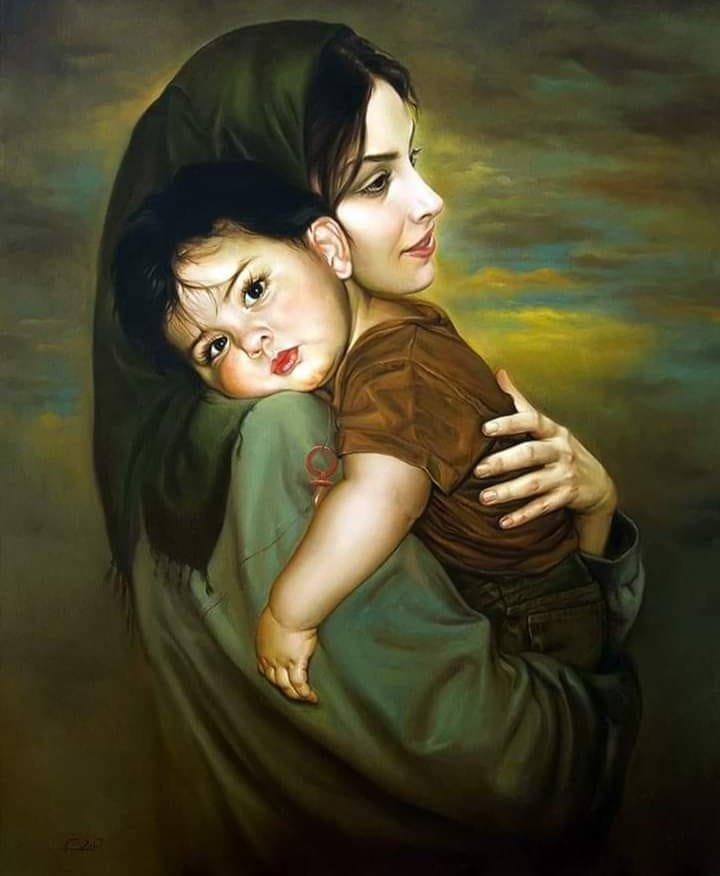
Across the world, mothers are cherished as the first nurturers, the earliest teachers, and the emotional anchors of families. Their sacrifices shape not only homes but entire communities and generations.
The universal appeal of motherhood transcends borders and cultures. Among Muslim communities, this shared reverence finds a particularly meaningful expression in the annual celebration dedicated to Lady Fatima Zahra (S.A.), a figure deeply revered for embodying the highest ideals of maternal love, compassion, and moral strength. What began in Iran as a tribute linked to her birth anniversary has now grown into a cherished observance across many Muslim communities worldwide.
Each year, on the 20th of Jamadi al-Thani, Iranians celebrate the birth of Lady Fatima Zahra (S.A.), daughter of Prophet Muhammad (Pbuh) and Lady Khadija, as Mother’s Day, a combined celebration that honours the profound influence of mothers while paying tribute to a woman regarded as the epitome of courage, devotion, and maternal excellence.
Lady Fatima Zahra is revered across the Muslim world as a paragon of virtue whose life embodies the essence of motherhood. Her unwavering attachment to her family, her quiet endurance through hardship and her remarkable generosity have inspired generations. For many Iranian families, and increasingly for Muslim communities globally, she represents the highest expression of maternal love—strength infused with tenderness, sacrifice infused with dignity.
On this special day, homes in Iran are filled with warmth as families gather to honour their mothers. Children offer gifts, heartfelt notes and small acts of kindness to express gratitude for the tireless love and care they receive. It is common for families to recount stories from the life of Lady Fatima, reflecting on her patience, resilience and pivotal role within her family and community. These stories serve as reminders that motherhood is not only a biological bond but a spiritual and emotional commitment grounded in love and selflessness.
In Islamic cultures, mothers are viewed as the backbone of society. They shape the values of future generations, nurture aspirations and provide guidance through life’s many challenges. The combined celebration of Lady Fatima’s birthday and Mother’s Day reinforces the belief that mothers play an irreplaceable role in sustaining the emotional and moral fabric of society. Through this observance, women are encouraged to embrace their inner strength, just as Lady Fatima did, and pass these virtues on to their children.
The significance of a mother’s role is further emphasised in Risalatul Huqooq, a classical treatise on rights written by Imam Ali ibn Zain Al Abedin, the great-grandson of the Prophet. The text offers a heartfelt and detailed description of a mother’s sacrifices, noting how she bears hunger, thirst, discomfort and sleepless nights so her child may grow in comfort. It concludes that no one can truly repay a mother for her sacrifices except with the help and mercy of God, highlighting the sacredness of motherhood.
Lady Fatima’s own life reflects this spirit of sacrifice. Born into a period of intense persecution against the Prophet and his followers, she grew up amid hardship. Historical accounts describe how she stood by her father even as a young child—cleaning the debris thrown at him by enemies and tending to his wounds. After losing her mother at the age of five, she became her father’s closest supporter during his most difficult years, earning the affectionate title Umm Abiha, meaning “the mother of her father”.
Her later life continued to exemplify generosity and courage. Married to Ali ibn Abi Talib (AS), she managed her modest household with humility. Narrations recall how she gave her wedding dress to a poor woman and how she carried water to the wounded during the Battle of Uhud, undeterred by danger. Her lineage went on to produce leaders and scholars who played vital roles in preserving Islamic teachings, knowledge and philosophy.
Today, as the celebration continues to gain recognition in Muslim communities worldwide, it serves as a powerful reminder of the enduring legacy of Lady Fatima Zahra. It calls upon people everywhere to honour their mothers—mothers, grandmothers, great-grandmothers and mothers-to-be—who embody the same spirit of resilience, love and compassion.
— Happy Mother’s Day!