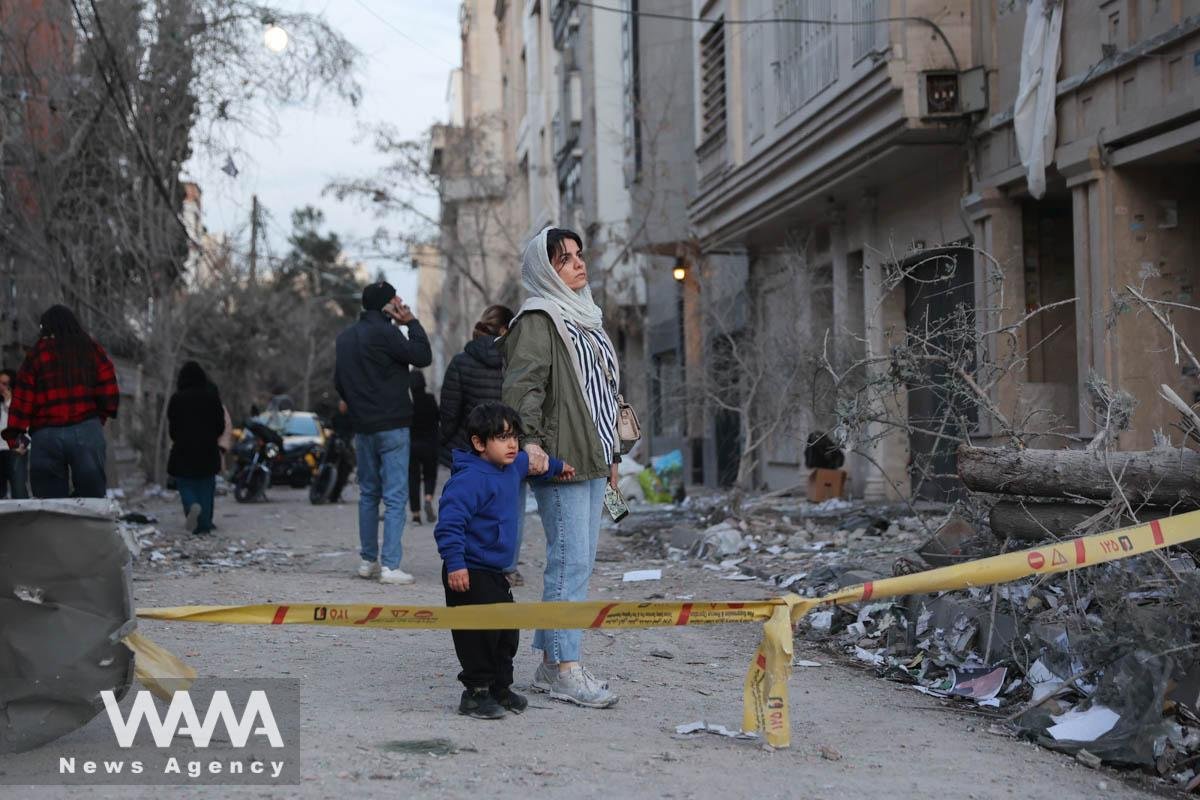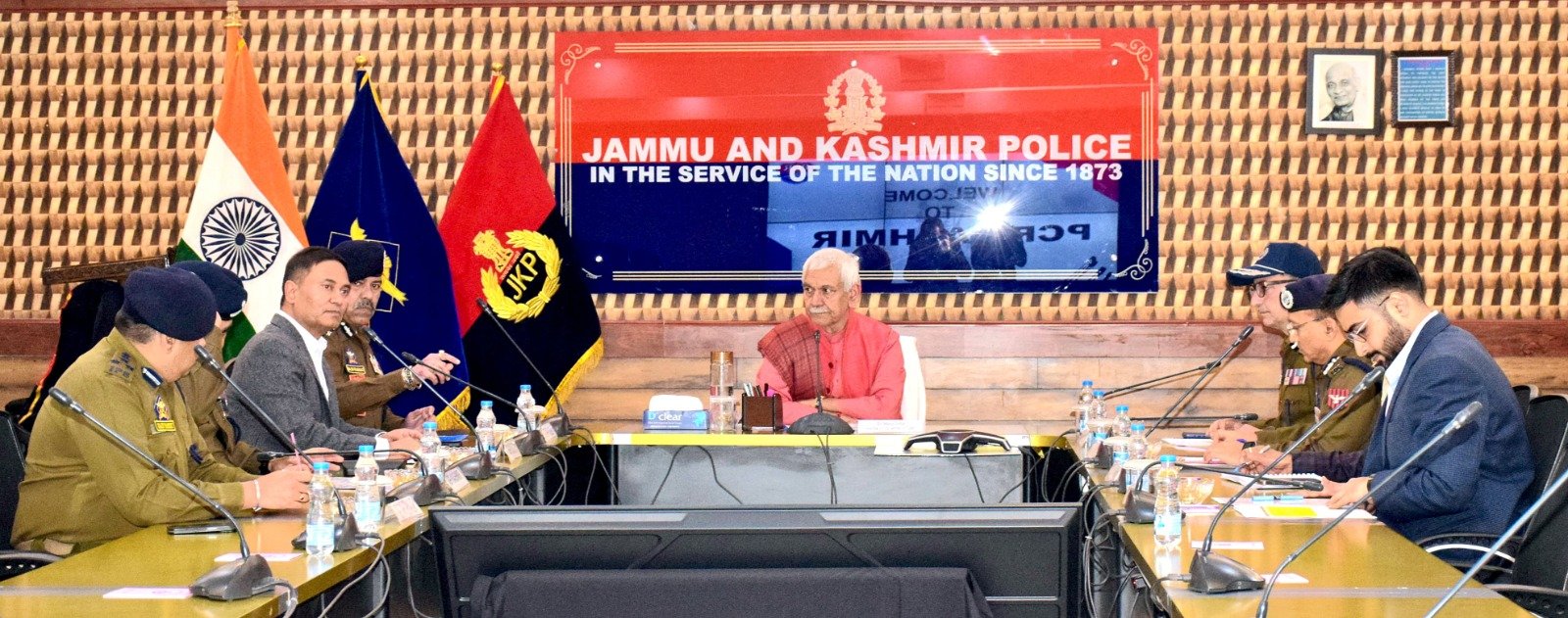

Fear had already begun to settle in the valley when the Ministry of Home Affairs finally spoke up.
After videos showed a Kashmiri shawl seller and other gig workers being harassed and attacked in different parts of the country, an MHA official reportedly said that such attacks cannot be tolerated.
It was a public message, if not a formal directive. And for families in Kashmir watching those clips on their phones, it mattered. It showed that someone was listening.
That message was followed by action on the ground. One of the accused in a recent attack on a Kashmiri shawl seller was booked. The episode even pushed the Uttarakhand top cop to comment publicly.
Together, these moves sent a signal that the violence had crossed a line.
Every winter, thousands of Kashmiri artisans and workers leave home to earn a living. With winter slowing down local markets, they travel by bus and train, carrying shawls, carpets, and handicrafts made over months of careful work. They set up small stalls, go door to door, and spend weeks or months away from their families.
This is not migration driven by choice alone. It is how generations have survived the long winter. The income pays school fees, covers medical bills, and keeps households running until spring.
What feels new this year is the fear.
Smartphones have changed everything. A confrontation that might once have stayed local now becomes a viral clip within minutes. Videos spread quickly on WhatsApp and social media, often without context but with full emotional force.
Parents and spouses watch these scenes unfold in real time. They see people they recognize being pushed, abused, or chased away. The anxiety is not imagined. It is lived.
That is why the MHA’s response, even in words, carried weight. Saying that such attacks will not be tolerated draws a line. The arrest that followed showed that the line can be enforced. It reminded people that these are not small scuffles or misunderstandings. They are acts that damage public order and social trust.
But this cannot be managed only after videos go viral.
These attacks risk setting back years of effort to rebuild trust. Talk of shared spirit and belonging sounds hollow when workers are targeted simply for where they come from. A sense of belonging does not grow from speeches alone. It depends on feeling safe while doing ordinary things, like selling a shawl on a winter street.
The concern goes beyond artisans. Kashmiri students have long faced harassment, especially during moments of national tension such as India Pakistan cricket matches. Chief Minister Omar Abdullah has said grievance systems exist for students. That promise should apply just as strongly to workers far from home.
What is needed now is steady coordination instead of emergency firefighting. Local police should know when seasonal workers arrive. Helplines should respond. Complaints should lead to quick action.
When the system moves fast, fear does not get the space to spread.
Social media will keep amplifying everything. The choice before the state is simple. Stay ahead of the damage, or keep reacting after harm is done.
Kashmiri artisans are asking for nothing more than the chance to work, earn, and return home safely. That should be a given.