By Bashir Ahmad Dar
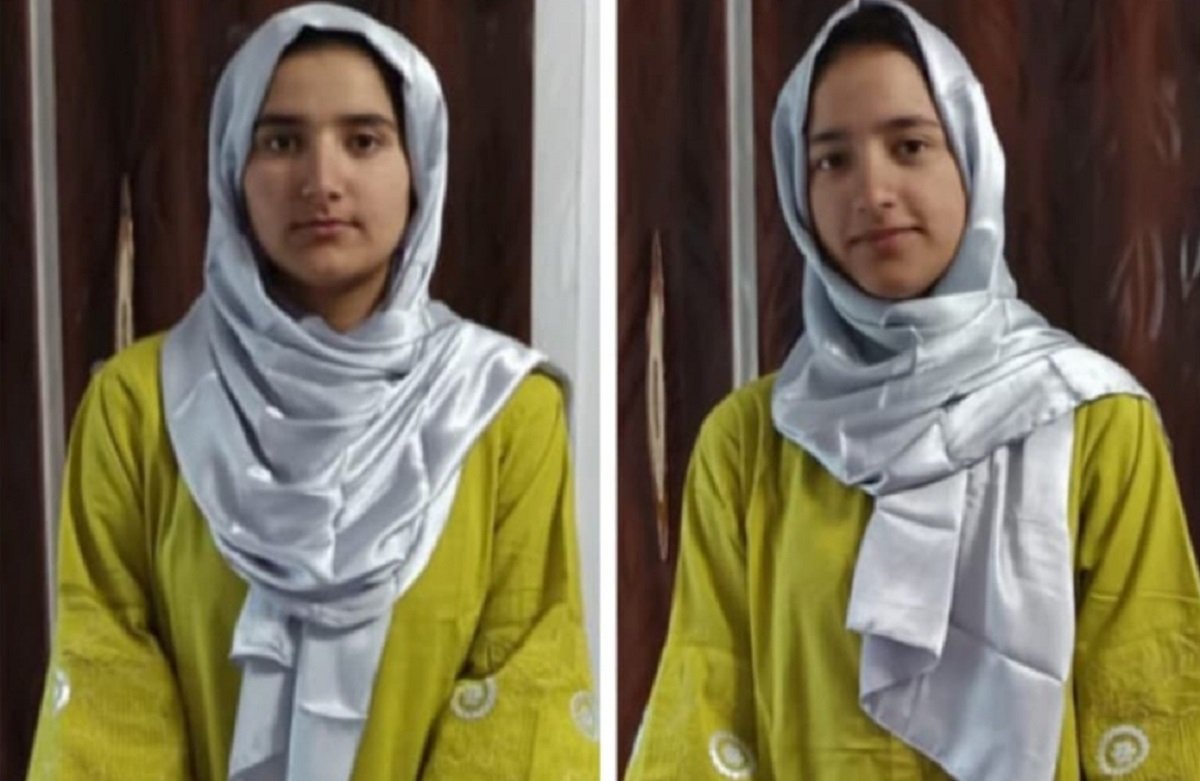
In 2008, my elder brother became the father of twin daughters, and their arrival brought both joy and fear into our home.
The girls entered the world weak and silent, barely able to cry. Their tiny bodies struggled to announce their presence.
Doctors saw them again and again in those early days, as my brother searched for reassurance that they would survive.
Fear guided our days then, and names felt premature, as if naming them too soon might tempt fate.
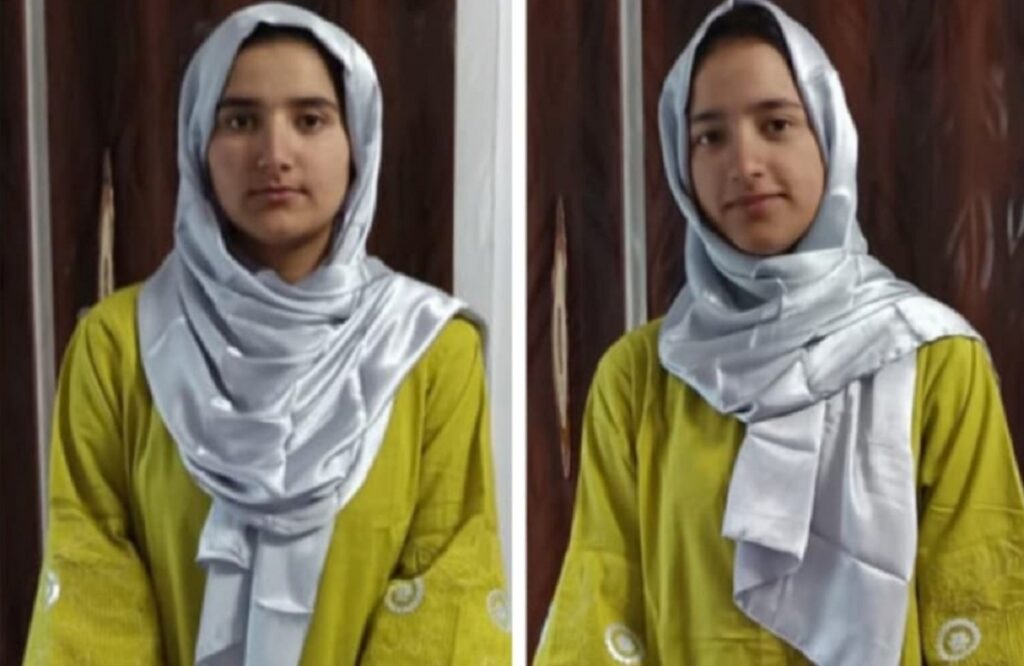
Though born together, the twins looked so different that even strangers could tell them apart from a distance.
One had fair skin and thin, lightly coloured hair that seemed slow to grow, and she came to be called Aayina.
The other appeared weaker at birth, but her scalp carried thick, full hair, and her strength began to show sooner than anyone expected. She was named Irtiqa.
Life, it seemed, had already decided to tell two different stories through two small bodies.
As often happens in Kashmir, relatives arrived with concern that carried an old social bias beneath polite words.
Twin daughters, some said, meant double responsibility, spoken in the language of worry rather than affection.
A few even suggested adoption, presenting the idea as help, though it sounded more like pity than kindness.
Such thinking never found space in our home, because our family had always raised daughters with pride and care.
Anxiety lived only in their health, never in their gender.
During one such visit, a couple sat with my father and spoke at length about the twins, their future, and the supposed burden they carried.
My father listened without interruption, then spoke in a tone that closed the discussion without raising his voice.
God, he said, does not give life without planning its survival, and blessings never arrive without sustenance.
Twin daughters, he asked them, deserved to be seen as double joy, rather than double worry, because where there are daughters, there is light in abundance.
Time did what time does best. The girls grew stronger in body and sharper in mind. Their laughter filled rooms that once held worry.
Schooldays passed with scraped knees, ink-stained fingers, and the innocent games of childhood. Grass blades and dock leaves became gifts for imaginary guests, matchboxes turned into bricks baked under the sun, and pebbles transformed into meals shared during play.
Those scenes stayed with me, even as the girls moved from one class to another.
When the JKBOSE Class 10 results were announced a few days ago, the moment carried meaning beyond marks. Matriculation no longer holds the prestige it once did, often reduced to paperwork for future forms, but this year it felt different.
The results stood as proof of years shaped by effort and belief. The same children who once built worlds from dust now stood on the edge of adulthood.
Technical problems delayed the results, and the family gathered in the kitchen, where tea cooled untouched as minutes passed. Conversations faded, eyes moved toward phones, and hope filled the room like incense before prayer.
When the results finally appeared, joy swept through the space with a force no one could contain.
Smiles broke into laughter, arms reached out, and pride found its voice.
Both girls scored above 95 percent, with Aayina topping the village at 97 percent and Irtiqa following closely behind.
As celebration filled the house, my thoughts returned to my father’s words from years ago.
His question resounded with new meaning, shaped by lived truth rather than argument.
Twin daughters had brought double happiness, double pride, and double reason to believe that faith combined with love never goes unrewarded.
Old sayings often hold their power because they survive experience, and one rang especially true that day: where daughters thrive, homes prosper.
This moment belonged to the girls, but it also belonged to every parent who chose faith over fear, and to every child whose worth was measured by courage rather than custom.
Daughters deserve celebration as blessings in their own right, worthy of honour simply for being who they are.