By Nazakat Aslam
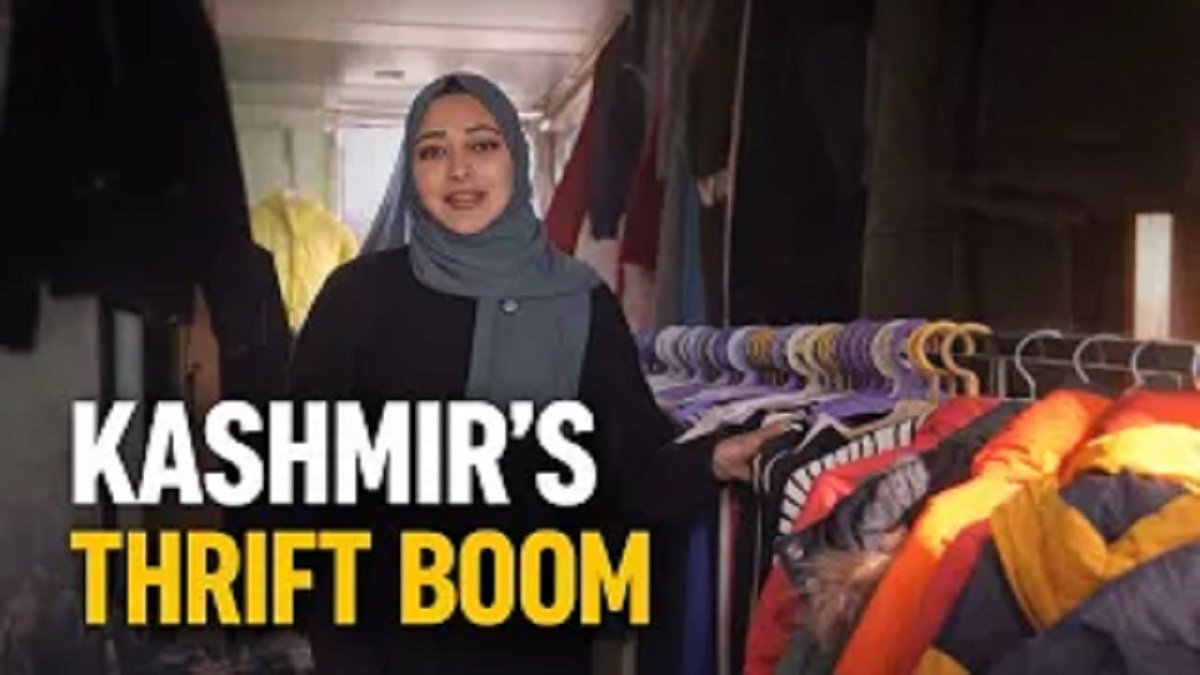
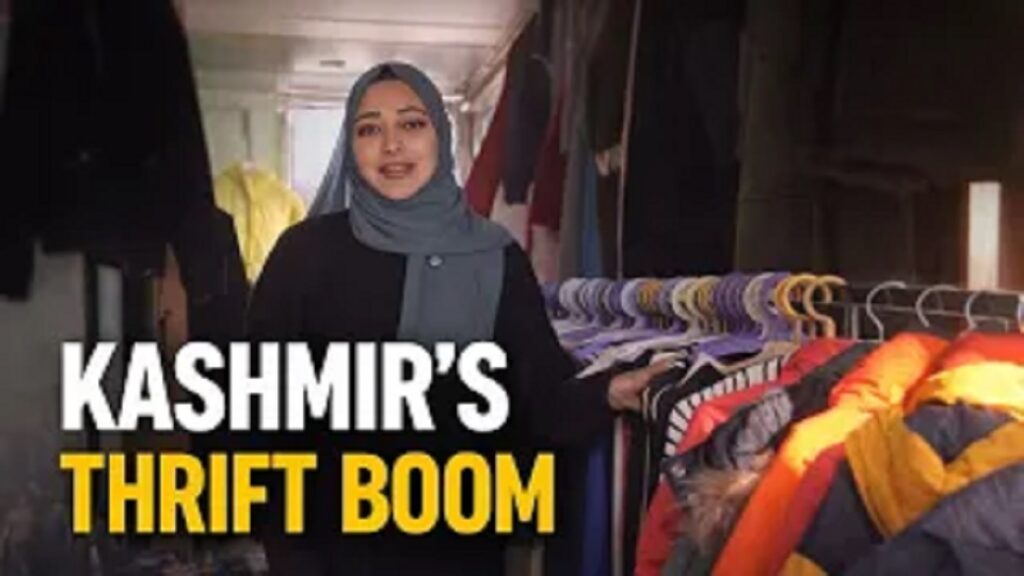
Srinagar– Inside a small thrift store in Srinagar, bundled jackets and overcoats are stacked on woven mats and hung along the walls as customers sift through them. The air carries a mix of fabric dust and chatter, shopkeepers negotiating prices, youngsters comparing brands, and the occasional rustle of hangers sliding across metal rods. What was once a quiet, overlooked corner of the city’s retail scene has now become a hub of youthful energy.
Across Kashmir, thrift culture is steadily expanding, reshaping the region’s fashion landscape as young consumers increasingly turn to second-hand branded clothing for affordability, accessibility, and style. Once dismissed and socially stigmatised, thrifting has emerged as a growing retail segment, fuelled by social media visibility, rising brand awareness, and shifting consumer preferences, particularly among Generation Z.
For decades, thrift clothing in the Valley was closely tied to economic compulsion. One of the earliest voices to witness this transition is Nadeem Nazir Sheikh of Thrift Kashmir, who has been in the business for years. He recalls a time when customers approached thrift shops discreetly, wary of being recognised.
“Earlier, people would come quietly and avoid being seen. Today, customers openly ask for specific brands,” Sheikh said.
According to him, buyers in the 25–35 age group now dominate the market, reflecting greater familiarity with international fashion houses and a clearer understanding of brand value. What once catered largely to those with limited purchasing power now attracts brand-aware customers actively seeking premium labels.
However, the market’s rapid expansion has also brought challenges. Sheikh pointed to the growing influx of lower-quality imports, particularly Chinese stock, which has made it difficult for customers to distinguish between premium and inferior bundles.
“Korean imports continue to be regarded as superior in quality but are frequently misrepresented in the supply chain,” he noted.
For many young shoppers, this evolving thrift culture is closely tied to identity and self-expression. Faizan, a regular thrift customer, vividly recalls his first purchase.
“The first thrifted item I bought was a branded jacket. What really drew me to it wasn’t just the price, but the fact that it felt different and unique compared to what everyone else was wearing,” he said.
At the time, thrifting was not widely discussed, making the experience feel more like a personal experiment than a fashion statement. Over time, however, his perception changed. “I see thrifted clothes as a way to express personal style, stay connected with global fashion trends, and still be practical,” he added.
Yet, despite its growing popularity, thrifting has not shed its stigma entirely. Adeeba, a Srinagar resident, says the concept does not appeal to her. “I also don’t like the idea of wearing someone else’s clothes,” she said.
“Clothes that have already been worn don’t attract me, so I’ve never given thrifting a chance.”
As attitudes shift among younger consumers, the changing perception of thrift clothing has also reshaped the business itself. Zamin Zahoor of Thrift Valley Srinagar observed that thrift clothing, once casually labelled and demeaned, has now gained significant popularity among youngsters.
He also warned of risks associated with the business. “Many scammers pass off Chinese bundles as Korean ones, so anyone planning to enter the thrifting business should choose suppliers carefully,” he said.
Echoing this view, Danish Imtiaz of Apna Brand identified digital access as a defining factor behind the sector’s growth. Affordability, he said, remains at the core of thrift culture’s appeal.
“With branded clothing from companies like Nike and Adidas often priced at ₹10,000 or more, thrifting offers a practical alternative,” Imtiaz said.
The growing demand has also encouraged new businesses to emerge across the Valley. Murtaza Nisar of Vintage Visions said the inclination of Generation Z towards thrift fashion played a decisive role in his decision to enter the trade. “Gen Z is more inclined towards this culture, and that’s why I entered this business,” he said.
For older generations, however, thrift clothing continues to carry a very different meaning. Mymoona, an elderly resident, recalls a time when such garments were sold by the roadside and meant strictly for those who could not afford new clothes.
“Back then, thrifting was tied to economic hardship, not fashion,” she said.
“I feel this practice should remain for those who genuinely need it. If someone can afford new clothes, they should buy them instead of used ones after all, these are worn clothes, no matter how branded they are,” she added.
As thrift culture continues to evolve in Kashmir, it is increasingly shaped by more than cost alone. Brand consciousness, digital exposure, and practicality now influence how second-hand clothing is consumed and perceived, particularly among younger shoppers. Yet acceptance remains uneven. While thrift stores gain visibility and profitability, a section of society continues to associate used clothing with deprivation rather than choice, underscoring an unresolved tension between necessity, aspiration, and identity in the Valley’s changing fashion economy