By Dr. Fiaz Maqbool Fazili
Time and again, the valley sees the same story unfold.
A food item is sent for official testing, partial results leak to the media, and by the time the science is clear, panic has already taken over.
Eggs are the latest target.
Before them, it was allegedly rotten meat, chemically ripened fruits like watermelon, pesticide-heavy vegetables, rice from adulterated mills, dried and smoked fish, and even microplastics in salt tea.
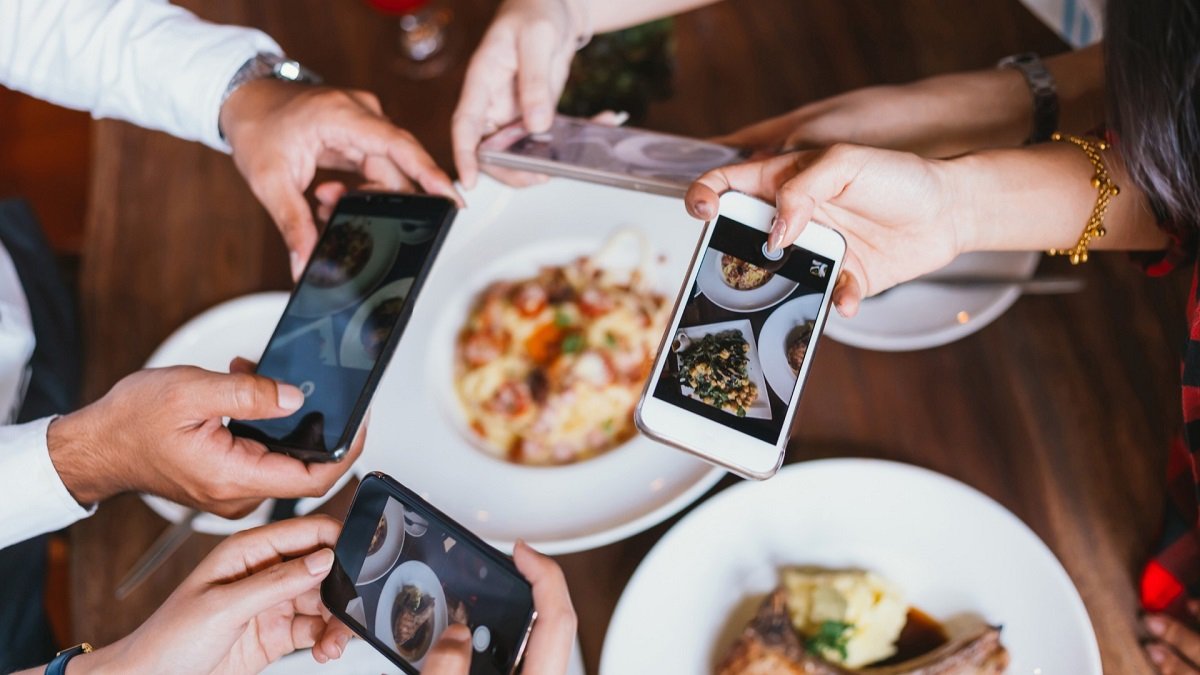
Families stare at their plates, unsure what is safe to eat and what might slowly harm them.
Food carries culture, survival, and memory. When fear replaces evidence, society becomes anxious, mistrustful, and vulnerable to misinformation.
The question is not whether food safety matters, it does, but how we can responsibly say that a particular food causes cancer.
When fear travels faster than facts, cancer turns from a disease into a breakfast plate phobia. People decide what to eat, avoid, and blame without real evidence.
Cancer in Kashmir has silently moved from hospitals into kitchens, dining rooms, and social media feeds. Headlines, viral videos, and misinterpreted studies often trigger panic: Eggs are dangerous, milk is toxic, rice contains chemicals, fruits and vegetables are contaminated, meat is lethal.
Foods that have nourished families for generations become villains overnight. Families change diets abruptly, while anxiety replaces reason.
We need to ask whether these scares are real or whether they have turned into collective fears.
Cancer is real and devastating. It is rising globally because people live longer, cities grow, lifestyles change, and detection improves. What is often exaggerated is how we interpret risk.
Fear that is disconnected from science harms more than it protects. Not everything that can cause cancer actually does. Confusing potential danger with proven harm turns nutrition into anxiety.
Medical science distinguishes hazard from risk.
A hazard can cause harm under certain conditions. Risk is the chance it will harm a person in everyday life.
Laboratory experiments often use doses far higher than humans ever encounter. Early findings matter because they signal possible danger, but they do not automatically translate into daily risk.
When preliminary results are presented as absolute truth, fear spreads.
Social media thrives on extremes. Eat this, die. Avoid that, survive. Cancer does not appear from a single meal or a single ingredient. It develops over years, shaped by patterns, immunity, exposure, and lifestyle.
One food item is rarely the culprit.
Every decade produces a new dietary enemy. Yesterday it was fats. Today it is carbohydrates. Tomorrow it may be proteins.
Nothing is safe from suspicion: eggs, milk, meat, rice, tea, even coffee. Foods that have fed generations suddenly seem dangerous, often without solid evidence.
Focusing on single foods distracts from what really matters. Tobacco, alcohol, inactivity, obesity, stress, pollution, and delayed diagnosis influence cancer risk far more than a single meal.
When we blame food, we ignore systemic problems like poor regulation, unsafe workplaces, environmental toxins, and limited healthcare.
Fear-driven nutrition also takes a psychological toll.
Parents worry endlessly about feeding children the wrong foods. Patients blame themselves. Communities fracture over conflicting dietary advice. Families abandon traditional, affordable diets for expensive “clean” or “super” foods marketed without strong evidence.
Panic eating can harm society more than food itself. Repeated warnings that everything causes cancer erode trust in science and public health.
Evidence-based nutrition offers guidance. Studies consistently show that balanced diets rich in fruits, vegetables, whole grains, legumes, and nuts support health. Excessive processed foods, sugary drinks, and alcohol increase risk. Obesity and inactivity contribute to cancer.
Food safety matters, and contamination or unregulated additives deserve attention from authorities. None of this requires fear. It requires understanding, trust in credible institutions, and patience with science.
The media shapes how people think about cancer. Sensational headlines attract attention but erode understanding. Reporting must explain differences between association and causation, and between preliminary findings and established evidence.
Authorities must communicate uncertainty honestly. Silence breeds rumours and delayed clarification fuels panic. Interim guidance should be proportionate, evidence-based, and clear.
We need to reclaim the conversation from fear. Cancer prevention is not living in constant terror over every meal. It is about making informed choices, demanding safer environments, and improving healthcare.
The most effective tools are simple: quitting tobacco, staying active, maintaining a healthy weight, vaccinating where possible, attending screenings, and seeking timely care.
Food matters, but it is one chapter, not the whole story.
When fear moves faster than facts, cancer becomes a phobia that dictates what we eat, and avoid.
Education and awareness deserve seriousness over sensationalism. Plates should be places of nourishment, culture, and balance.
Thinking critically, calmly, and compassionately about cancer is the first step toward replacing panic with purpose and fear with facts.
- The author is a medico involved in cancer awareness and preventive oncology. He can be reached at [email protected].