
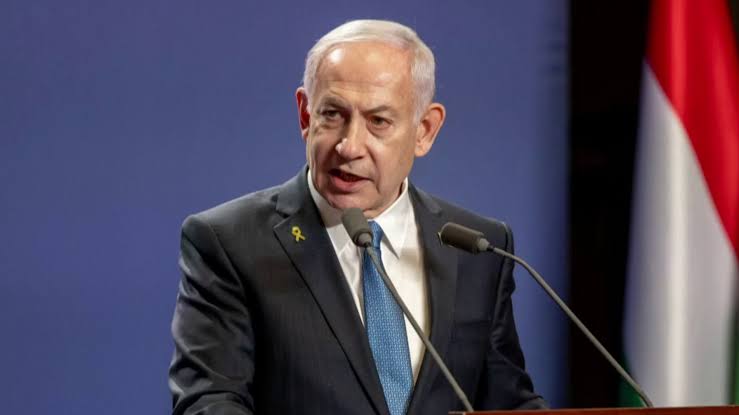
Tel Aviv, 8 August (H.S.): Israel’s Security Cabinet has approved a strategic plan to take control of Gaza City as part of its ongoing 22-month military offensive against Hamas, initiated after the group’s attack on October 7. This war has resulted in the deaths of tens of thousands of Palestinians and has devastated much of Gaza, with two million residents threatened by famine. Prime Minister Benjamin Netanyahu announced that Israel intends to completely retake Gaza and later transition control to Arab forces opposed to Hamas. However, this plan seems to reflect caution, particularly from Israel’s military leadership, who warn that it could jeopardize the lives of approximately 20 remaining hostages held by Hamas and overexert Israel’s military operations.
Despite intense bombardment and numerous ground operations in Gaza City, militants have repeatedly regrouped, leading to a contentious situation where the city remains a focal point of conflict. Thousands have already fled due to evacuation orders in the war’s early days, and current military operations risk displacing more civilians and further obstructing food distribution within Gaza. Former Israeli security officials and families of hostages express their opposition as they fear such actions could worsen conditions for those held captive.
The Israeli military has already established control over about three-quarters of Gaza. Nonetheless, the prospect of expanding military operations raises significant concerns, not only for civilians in Gaza but also for the Israeli hostages, as escalation could increase the international isolation of Israel. Many families of the hostages are apprehensive about potential military escalation, fearing for their loved ones’ safety.
Public dissent is palpable, with some families protesting the Security Cabinet meeting, expressing their belief that prolonged military engagement is politically motivated. Recent comments by Netanyahu highlight that the objective is not permanent occupation, but establishing a secure perimeter to allow for a transition to governance by stable Arab forces.
On October 7, the attack by Hamas led to the abduction of 251 individuals and approximately 1,200 deaths in Israel. As of now, around 50 hostages remain in captivity. Demonstrators, including relatives of hostages, vocally criticized Netanyahu’s administration, arguing it seeks to satisfy more aggressive sectors within its political coalition that favor further military action and displacement of Gazans.
Casualty figures from Gaza’s Health Ministry indicate there have been more than 61,000 Palestinian deaths, though these numbers, encompassing both combatants and civilians, are disputed by Israel. Reports detail ongoing airstrikes in southern Gaza and incidents involving casualties among those seeking aid, showcasing the dire humanitarian situation. This has led to thousands of wounded among populations trying to access food supplies amidst chaotic conditions and heightened violence.
Non-governmental organizations, including Doctors Without Borders (MSF), have condemned the aid distribution efforts in southern Gaza, claiming that the current strategies create dangerous environments for civilians. MSF’s report suggests that GHF’s aid distribution system results in chaotic and violent scenes where vulnerable populations are injured while seeking food, prompting criticism of both the operational management and potential implications for aid delivery in the region.
The situation remains perilous, reflecting a complex interplay of military strategy, humanitarian needs, and political ambitions as the conflict escalates with profound implications for both Gaza’s residents and the Israeli hostages.
—————
Hindusthan Samachar / Jun Sarkar