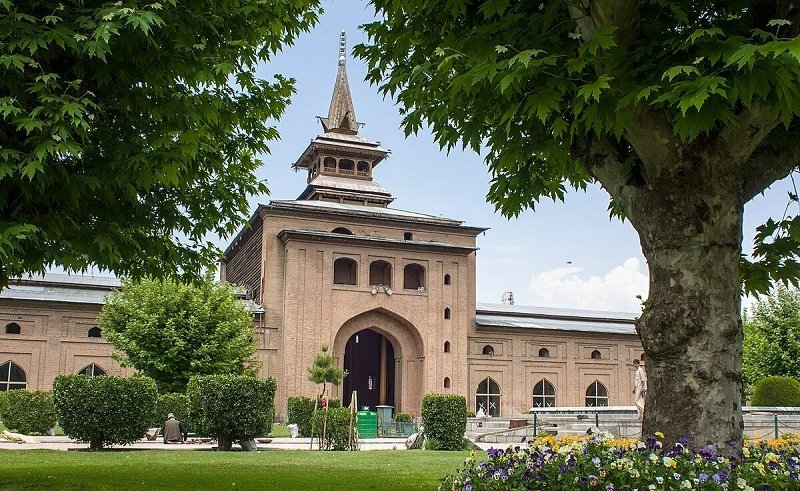
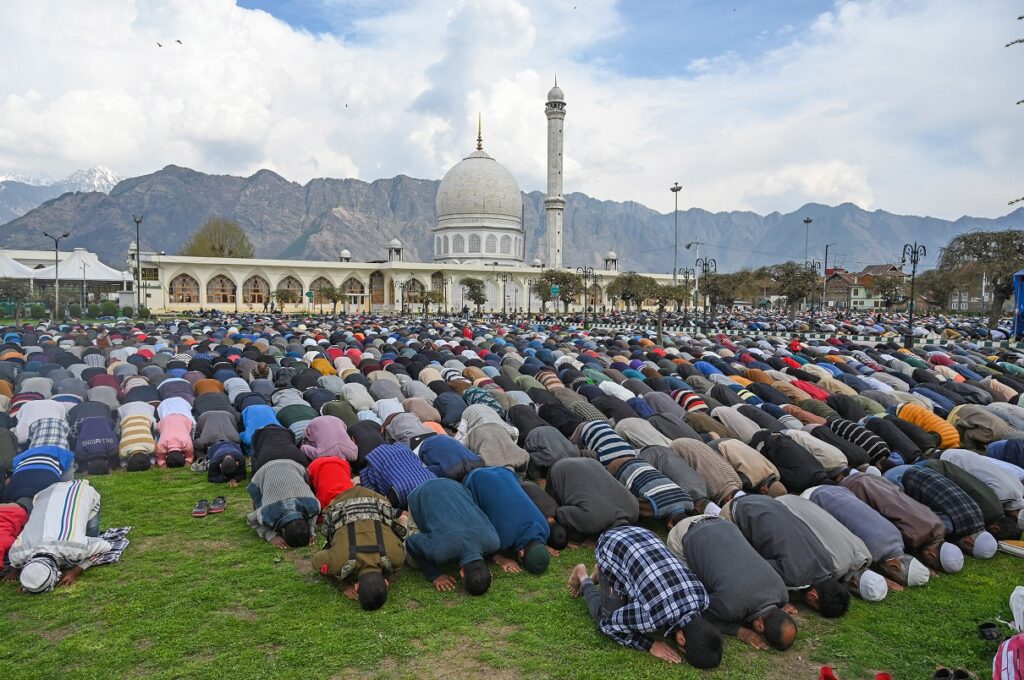
Srinagar: Seeking to allay concerns raised by various religious and political parties, the Jammu and Kashmir administration is defending the ongoing police-led exercise to collect institutional details of mosques, madrassas and religious functionaries across Kashmir, describing it as a routine regulatory measure aimed at updating official records, ensuring transparency and preventing misuse of religious spaces.
Officials said the exercise was being “misconstrued” as an attempt to interfere in religious affairs, stressing that it does not seek to regulate worship, impose doctrinal control or undermine the autonomy of religious institutions.
“This is purely a record updation exercise. It is meant to ensure accountability and transparency and to prevent misuse of religious spaces. It has nothing to do with interfering in religious practices,” an official said, responding to criticism that the move amounts to profiling of mosques.
The official reaction came after the MMU and political parties questioned the intent and scope of the information being sought by police in parts of Kashmir
‘Intrusive’ and ‘discriminatory’
Kashmir’s largest conglomerate of Islamic religious groups, the Mutahida Majlis-e-Ulema (MMU) and the ruling National Conference (NC), described the exercise as an “intrusive scrutiny” and said mosques were sacred spaces meant for worship, guidance and community service. The MMU urged the lieutenant governor-led administration to withdraw what it termed “arbitrary surveillance”, calling for protection of the “autonomy of religious institutions” and citing constitutional guarantees of religious freedom, privacy and dignity.
NC also objected, with spokesperson Imran Nabi Dar calling the profiling of mosques an “intimidating and religiously discriminatory exercise”. Other political leaders warned against what they described as the “branding” of religious institutions as suspect.
The controversy erupted after reports that police had circulated a multi-page form in various parts of Kashmir seeking details about mosques, including their sect affiliation, monthly budget, sources of funding, and information about imams, preachers and managing committee members.
The form reportedly seeks personal identifiers and documentation, including mobile phone details, social media accounts, bank account particulars and family details—an aspect that has fuelled concerns over privacy and possible intimidation.
Officials, however, said the documentation was intended to plug gaps in official databases and improve institutional mapping. “Over the years, many institutions have expanded, changed their management structures or developed new sources of funding. Updated records are required for administrative clarity and accountability,” an official said.
Regulatory oversight in Saudi Arabia, Turkey
Officials also pointed to global precedents, arguing that even in Muslim-majority countries, mosques operate within formal state or legal frameworks, particularly on registration, staffing and funding transparency.
In Turkey, mosque administration is highly centralised under the Directorate of Religious Affairs (Diyanet), which oversees nearly all mosques and employs imams as state personnel. Sermon guidance is often standardised through centrally issued weekly messaging, and the system is intended to ensure uniformity and prevent extremist preaching.
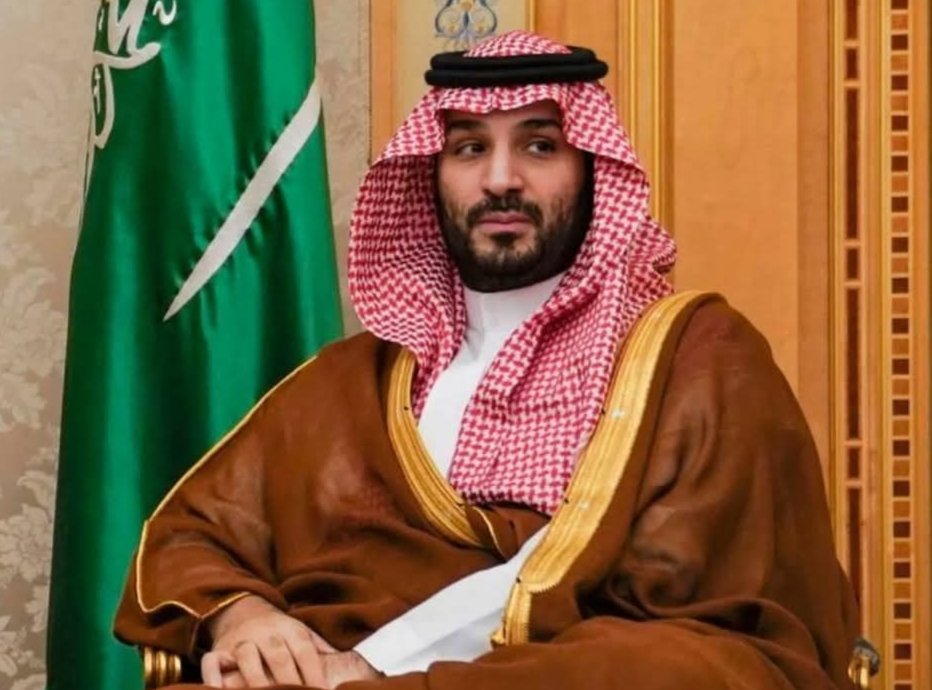
In Saudi Arabia, mosques fall under the Ministry of Islamic Affairs, with clerics appointed and guided through official directives, while fundraising and donation channels are tightly regulated. Such controls are often framed by the state as necessary for public order and counter-extremism.
The UAE maintains a structured model where mosques are licensed, inspected and audited through federal religious bodies, with imams operating under state supervision and donations monitored under anti-money-laundering and counter-terror financing frameworks.
In Qatar, the Ministry of Endowments (Awqaf) and Islamic Affairs supervises mosques, including imam appointments and training programmes, while funding streams are regulated under counter-terror financing laws.
Even in Indonesia, where mosques are largely community-managed, the government promotes preacher certification programmes and retains the authority to intervene in cases of suspected extremist mobilisation or misuse of religious platforms.
Officials argued that against such international practice, Kashmir’s exercise is limited to institutional documentation. “Registration, record maintenance and transparency checks exist across countries. This should not be portrayed as interference in religion,” an official said.
Not about worship, only accountability
Officials reiterated that the exercise is preventive and regulatory in nature and not intended to control religious institutions.
“This is not about sermons or religious doctrine. It is about ensuring that institutions are properly documented and that religious spaces are not misused for unlawful purposes,” the officials said.