By Faizan Ashraf
Talk of reforms often sounds cold and technical, as if people don’t exist behind the numbers.
Charts are drawn, figures cited, and decisions justified in abstract language.
On the ground, however, reality has faces.
In Jammu & Kashmir, those faces are families waking each day unsure how they will pay school fees, children juggling studies with household chores or part-time work, and parents hoping that education and public jobs will offer a way out of hardship.
For these families, life is already a daily struggle, and the government’s latest proposal makes it harder still.
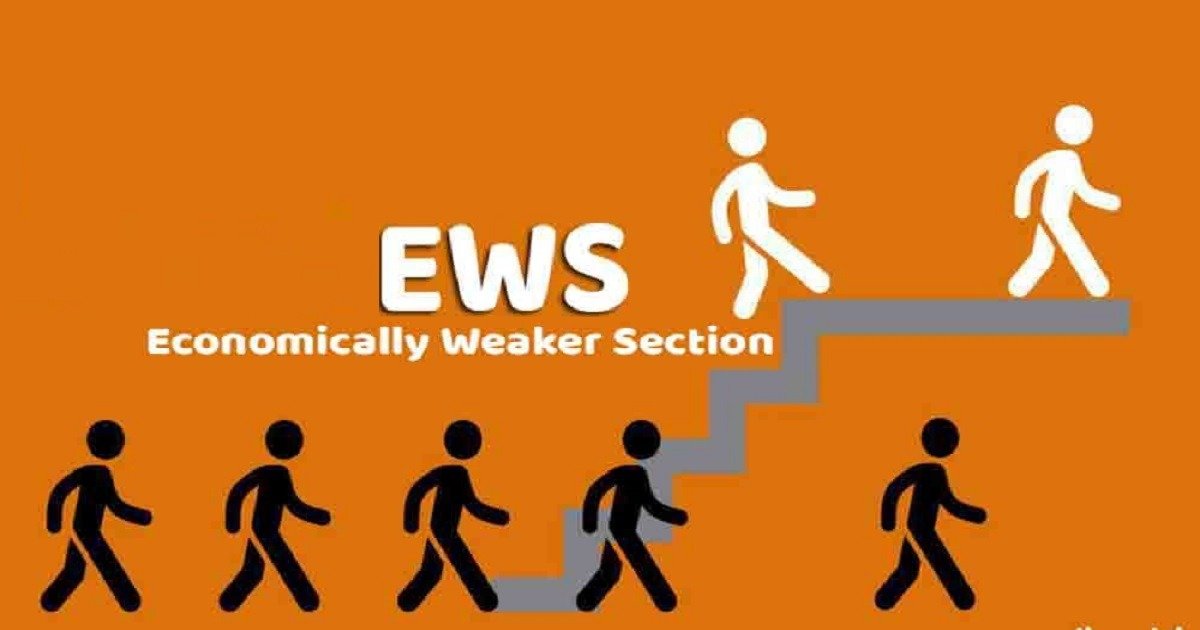
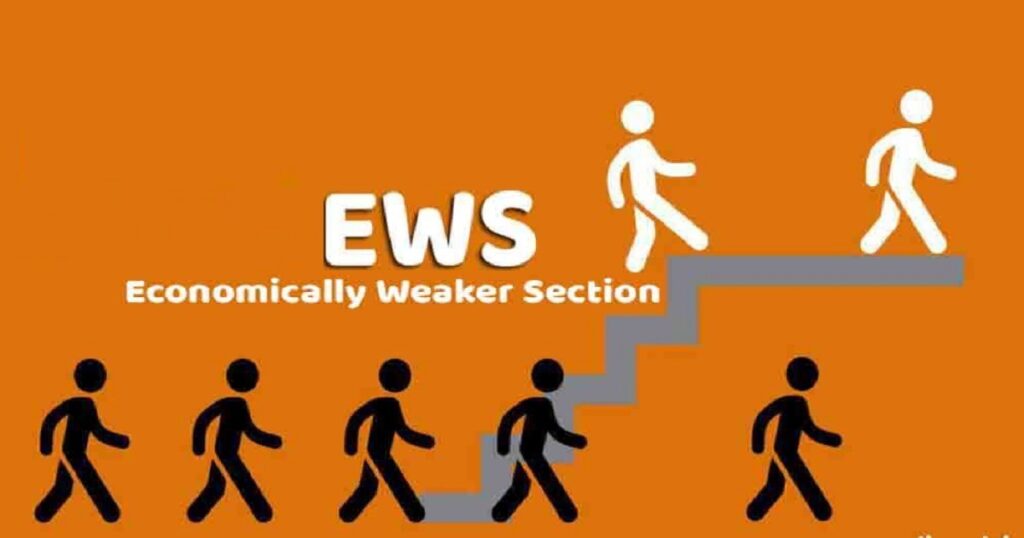
The J&K Cabinet wants to cut the Economically Weaker Section or EWS quota by 7 percent and the Reserved Backward Area (RBA) quota by 3 percent, while increasing Open Merit seats by 10 percent.
It may seem like a small change, but it closes doors for the poorest families and adds more uncertainty to lives that are already difficult.
Supporters of the change argue that increasing Open Merit seats creates fairness. That fairness exists only in theory.
Families in the EWS bracket often lack private tuition, coaching, stable incomes, and networks that generations of privilege provide. Many fight to pay school fees or support siblings, sacrificing study hours for daily survival.
Removing quota protections ignores these realities.
The EWS system was designed precisely to offset such disadvantages. Cutting it now deepens inequality at the moment when low-income families can least absorb it.
A clear pattern is visible now. Each policy shift seems to begin by burdening the families who already have the least.
EWS households rarely own property or wield social influence. Their chances of upward mobility are tethered to education and public sector jobs. Narrowing those avenues sends a message: in the calculus of governance, the poor are expendable.
If redistributive measures were truly the aim, why not review categories that already enjoy material advantage? Why ask the most vulnerable to shoulder the burden?
Jammu & Kashmir also faces a persistent youth unemployment crisis. Public sector jobs remain the most realistic route for many young people to secure stability. Shrinking EWS quotas reduces access to these jobs and amplifies exclusion.
If inclusive growth is the goal, protections for economically disadvantaged youth should expand, not contract, especially as the region grapples with economic uncertainty and rising living costs.
Policy changes that touch education and employment should be participatory, developed with communities, academics, civil society, and students. This decision appears to have been made administratively, without meaningful consultation.
Top-down decisions of this kind erode trust and legitimacy.
The Supreme Court has made it clear that economic deprivation is a valid ground for affirmative action. Weakening this protection without clear reasoning goes against the idea of equal opportunity that the Constitution stands for.
Quotas are not meant to reward poverty. They exist to level the field in a society where chances are uneven from the start.
Reforms, if necessary, should be data-driven and inclusive. Socio-economic impact assessments, stakeholder engagement, and targeted educational support can achieve equity without taking away already scarce opportunities.
Governments are measured by how they safeguard the vulnerable, rather than how they widen gaps in times of hardship.
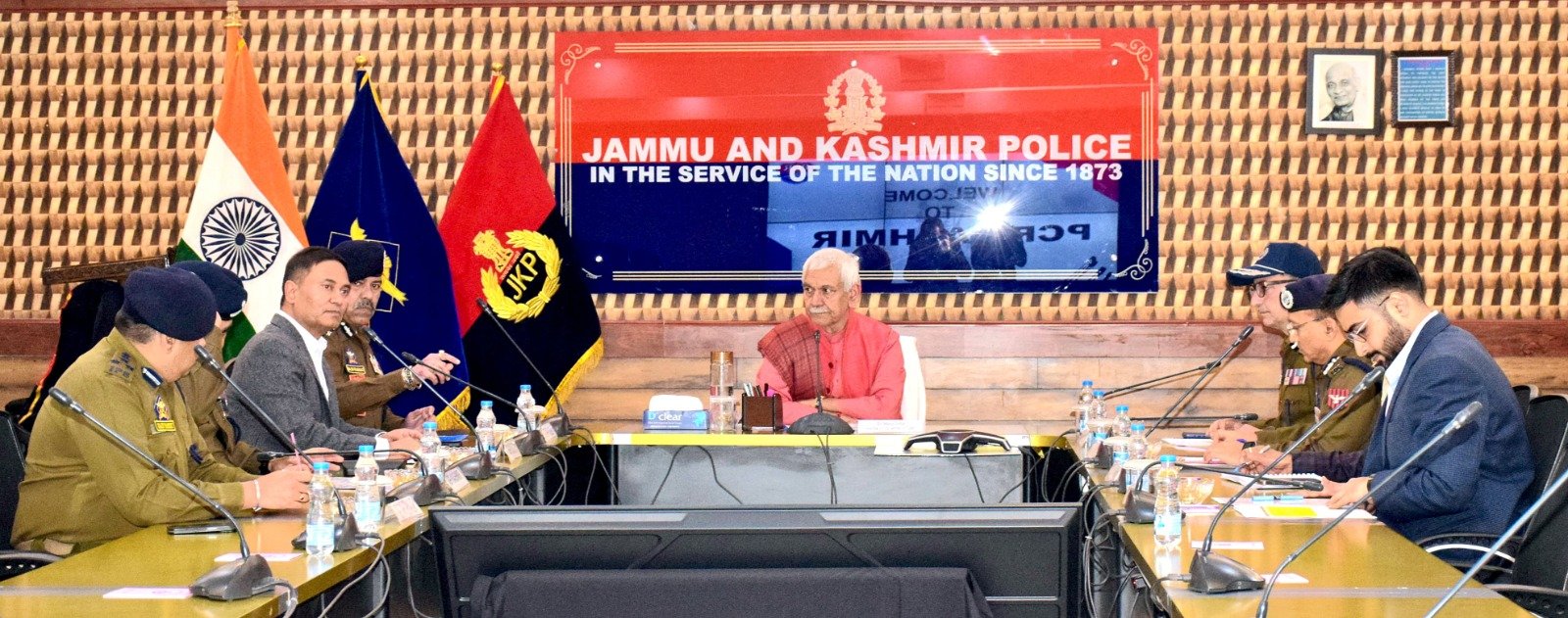
The Lieutenant Governor has a clear choice: protect EWS quotas or deepen the gap between those who have opportunity and those fighting for it.
Keeping these quotas is fairness. It gives every child in Jammu & Kashmir a real chance to study, grow, and build a future.
Anything less breaks the promise of justice and weakens the idea of a state that stands with its people.
- The author is a Research Scholar in Sociology at Aligarh Muslim University. He can be reached at [email protected]. Views expressed in this article are author’s own and don’t necessarily reflect KO’s editorial policy.