By Ikkz Ikbal
This year, the snow arrived late, later than we expected.
The wait felt longer than any winter before. But when the streets finally turned white, mountains lifted themselves across the horizon, as if making their presence known.
The wind moved through the valley, carrying memories that had been waiting for years.
This snow felt different. It was alive, full of meaning. It reminded me that some winters are about remembering ourselves, and moving through the world with wonder in every step and glance.
When it began, I stood at the window, a warm cup of tea pressed between my hands, and the memory appeared suddenly, as if it had been waiting behind the glass all along: Sheen Jung, the Snow Fight.
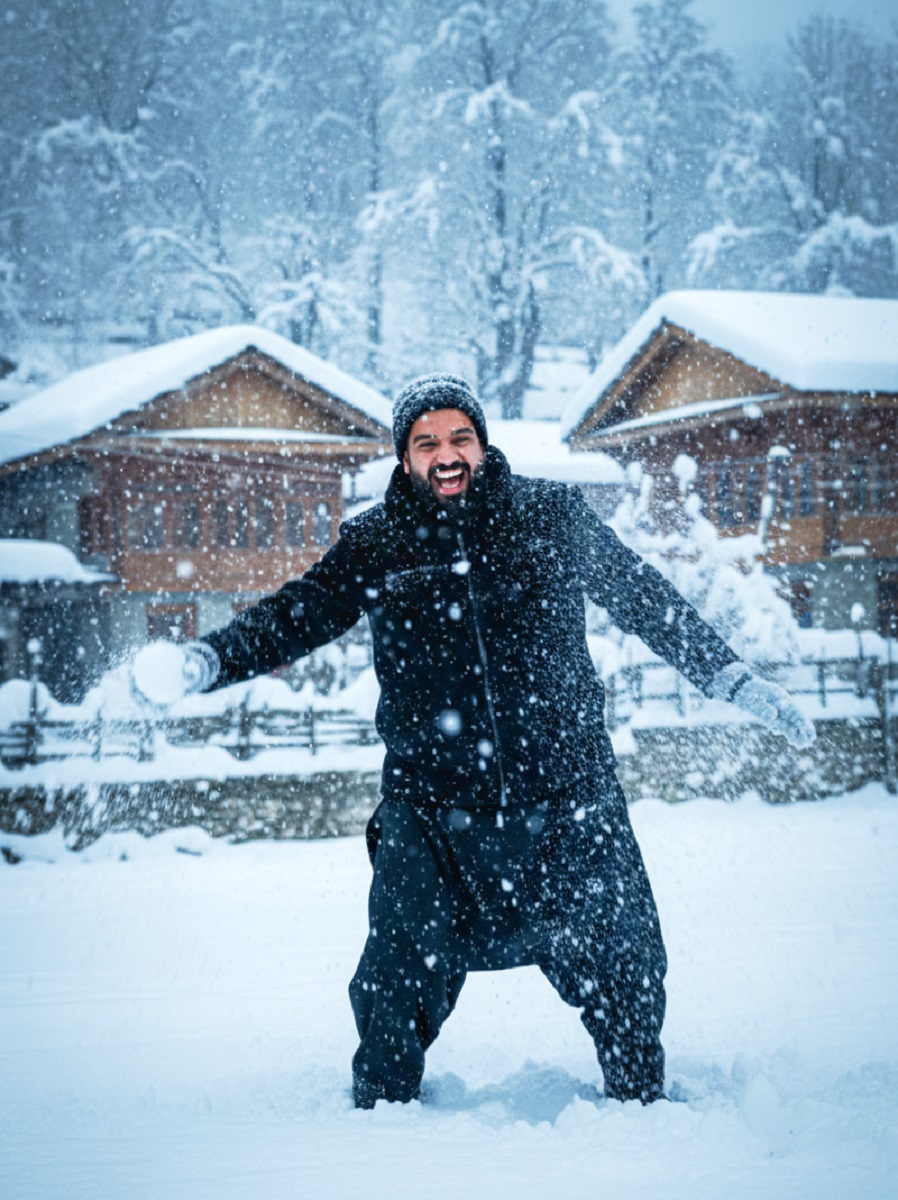
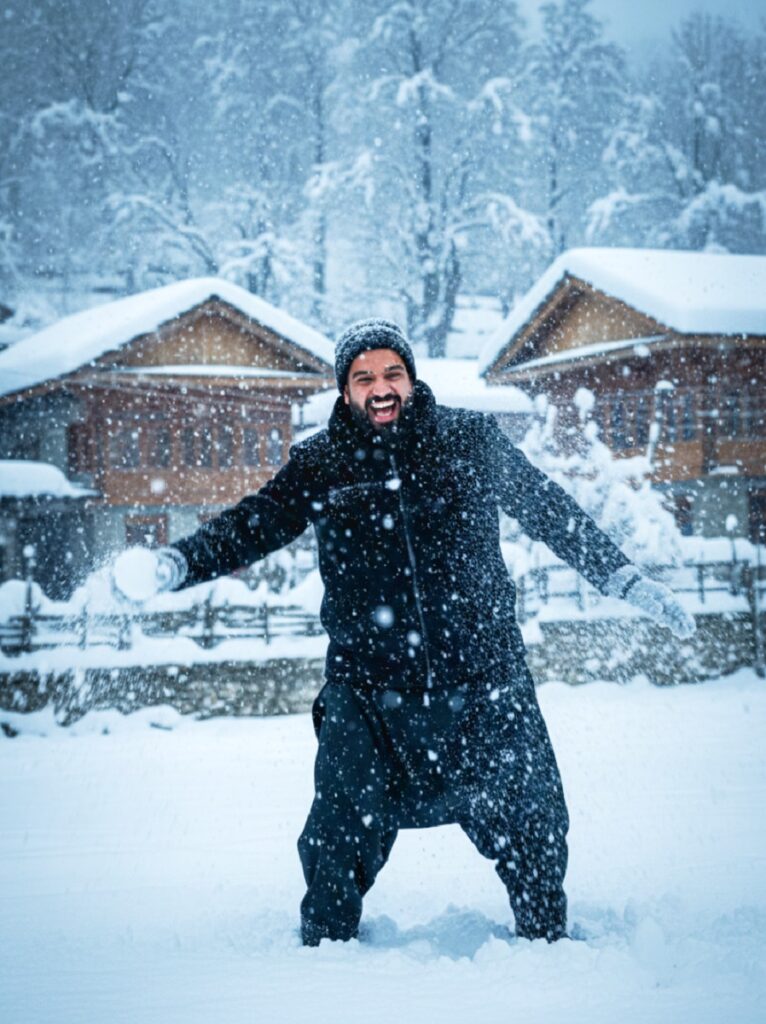
It was never a simple game. It was a season, a way of living, a war we embraced without uniforms or orders, armed only with courage, instinct, and laughter that could drown out any chill.
The moment the first snowball would hit the ground, streets transformed naturally, alliances formed and shifted, forts rose at street corners through hands that understood strategy instinctively, and every movement carried the joy of being alive together in a moment that belonged only to us.
Snow stung fingers and ears, noses turned bright red, and bodies slipped repeatedly, but every fall became a reason to laugh, and every mistake turned into a shared story that would last forever.
Those friendships eventually stopped and shifted but never broke, and the first snowball flew as a signal that the war had begun, carrying with it a sound more thrilling than any winter morning could hold.
When the snow slowed and fingers stiffened, an unspoken promise held us together: tomorrow would come, and so would the war again.
Inside, noon chai awaited, thick and steaming, filling kitchens with a scent of warmth that brought life back to frozen hands and reminded us that home always waited with love and laughter.
Mothers pressed our hands, rubbed warmth into bodies that had faced the cold, and in those moments, the world outside felt vast but safe, full of possibility and joy.
Today, snow still falls, but streets carry children whose hands are busy with screens and eyes that watch rather than leap into the air.
The forts, the laughter, the Snow War itself live now in memory, alive whenever the wind brushes gently against windows and calls us back to moments that feel bigger than time itself.
Somewhere, a few children still throw snowballs and build forts, and in those moments, the old joy returns, carrying every smile, fall, and laugh, as if it never left.
The Snow War was our way of learning that courage, joy, and friendship could be felt in the simplest acts, in the coldest days, and that some games never end because they live forever in memory and in the heart.
- The author is an educator based in North Kashmir. He can be reached at [email protected].