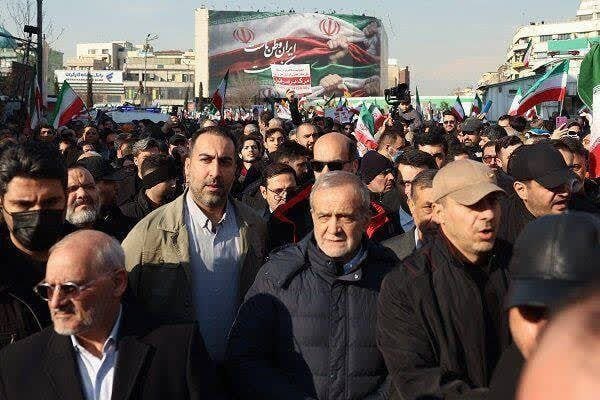
Tehran~ In a show of support for the government, tens of thousands of Iranians poured into the streets of Tehran and other major cities on Monday, as authorities moved to project strength and unity after weeks of unrest rooted in economic hardship and fuelled by the US and Israel.
State television broadcast images of large crowds moving toward Enghelab Square in the capital, waving national flags and chanting slogans in support of the Islamic Republic and its leadership. Similar rallies were reported across the country, with events beginning at 2:00 p.m. local time in most provinces, while some regions saw gatherings earlier in the morning.
Iranian media described the rallies as an “Iranian uprising against American-Zionist project”, framing the demonstrations as a response to what officials characterise as foreign-backed attempts to destabilise the country. The broadcasts emphasised participation from “all walks of life”, portraying the rallies as proof that the government retains popular support despite days of unrest.
The pro-government mobilisation followed more than two weeks of unrest that erupted over Iran’s struggling economy, inflation, and unemployment. While some of the initial demonstrations were peaceful, particularly those involving shopkeepers and workers, they later turned violent, with officials accusing the United States and Israel of exploiting legitimate economic grievances to incite chaos.
Foreign Minister Abbas Araghchi earlier claimed that the unrest had been contained, a message reinforced by Monday’s nationwide rallies. Speaking to foreign diplomats in Tehran, Araghchi alleged that the protests “turned violent and bloody to give an excuse” for potential U.S. military intervention. He said violence spiked over the weekend but insisted the “situation is now under total control.”
Foreign Minister directly linked the violence to recent remarks by U.S. President Donald Trump, who warned Washington could take military action if what he called “peaceful protesters” were harmed. According to Araghchi, such statements emboldened what he described as “terrorists” to attack both demonstrators and security forces in order to provoke foreign involvement. “We are ready for war but also for dialogue,” he said.
Iranian officials further claimed to possess video evidence showing weapons being distributed among protesters, with Araghchi saying confessions from detainees would soon be released. He added that security forces would “hunt down” those responsible for the violence.
Senior leaders echoed this narrative throughout the day. Supreme Leader Ayatollah Seyyed Ali Khamenei, speaking on Friday, warned that Iran “will not back down against vandals”, urging national unity in the face of external threats. President Masoud Pezeshkian, in a televised interview on Sunday, stressed the distinction between protest and rioting, saying that while peaceful dissent is acceptable, insecurity and violence are not. He also accused the United States and Israel of training and supporting rioters.
Parliament Speaker Mohammad Baqer Qalibaf similarly said Iran recognises the right to peaceful protest but would respond decisively to what he termed “armed terrorism”. The judiciary pledged strict action against those involved in vandalism and bloodshed, vowing no leniency for foreign-backed elements.
Vice President Mohammad-Reza Aref went further, describing the unrest as the “second phase” of Israel’s war against Iran following a 12-day conflict in June. Addressing a government economic meeting, Aref said enemies had deliberately targeted Iran’s economic reforms and destabilised markets, adding that the arrest of key “agents” forced adversaries to accelerate their plans, leading to recent violent incidents.
The government has declared three days of national mourning for those it calls “martyrs” killed during the unrest, including members of the security forces. According to the semiofficial Tasnim news agency, 109 security personnel have died. Authorities have not released an official figure for civilian deaths, while opposition groups abroad claim dozens of protesters have also been killed.
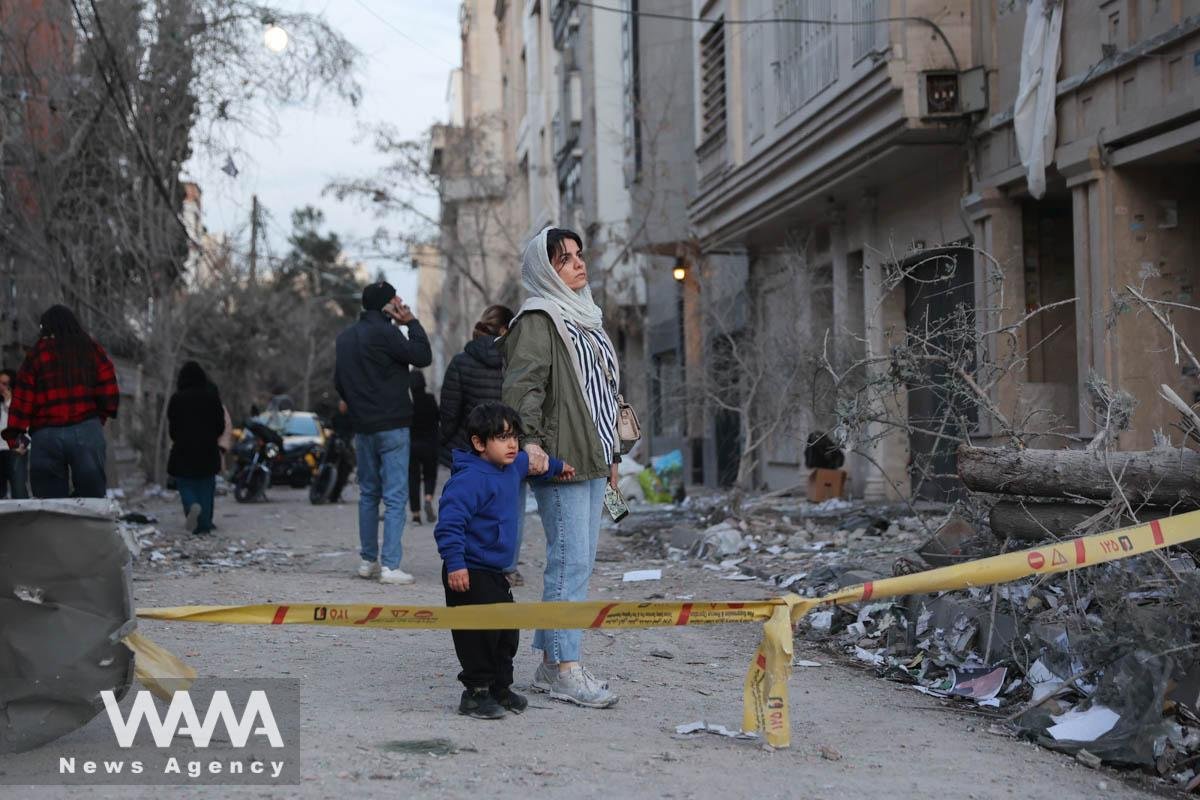
Despite the large rallies, reports of sporadic unrest continued. The Fars news agency said limited protests and “riots” occurred Sunday night in several Tehran neighbourhoods, as well as in parts of Chaharmahal and Bakhtiari province and the city of Taybad near Mashhad. Security forces dispersed the gatherings, and Fars reported that most other regions remained calm.
Participants in Monday’s rallies expressed loyalty to the Islamic Republic while acknowledging economic difficulties. “We face economic hardships and will continue to raise our demands, but we will not tolerate anyone from outside dictating anything to us,” said Fatemeh, a demonstrator in Tehran. Another participant, Mohammad Ali Abbasi, said he attended to honour fallen security forces and to signal support for Ayatollah Khamenei, vowing that “Americans and Zionists” would not succeed in destabilising Iran.
While Iranian officials insist the unrest was fading and blame foreign interference for the violence, underlying economic grievances—exacerbated by crippling U.S. sanctions on Iran’s central bank and oil exports—remain unresolved, suggesting tensions may persist despite the show of unity on the streets.