
Tokyo, 8 September (H.S.):
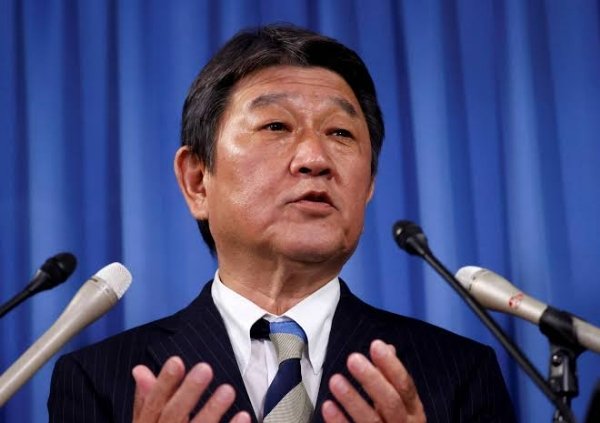
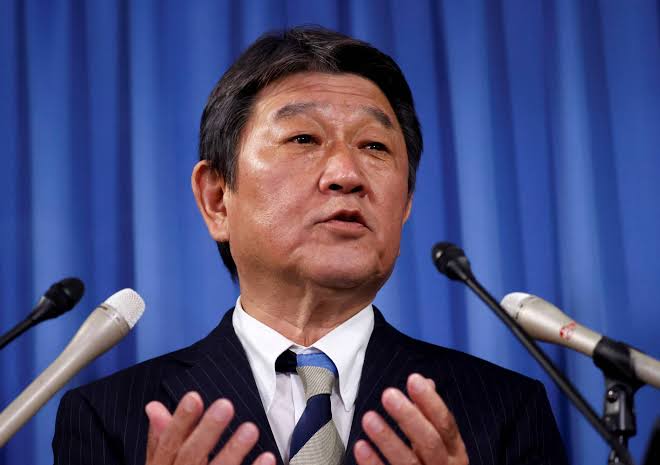
Former Japanese Foreign Minister Toshimitsu Motegi, currently the Secretary-General of the ruling Liberal Democratic Party (LDP), announced on Monday that he will run in the party’s leadership election following Prime Minister Shigeru Ishiba’s sudden resignation. The decision has intensified political maneuvering within the LDP at a critical juncture for Japan’s economy and foreign policy.
Background: Ishiba’s Exit and Market Response
Prime Minister Ishiba, who had been in office for less than two years, announced his resignation on Sunday citing declining approval ratings, intra-party friction, and mounting economic headwinds. His departure immediately jolted financial markets.
-Japanese stocks surged on expectations of increased fiscal stimulus under a new administration.
-The yen weakened, reflecting investor anticipation of looser monetary policy and potentially greater government spending.
-Government bond yields remained steady, suggesting stability in Japan’s borrowing outlook despite political uncertainty.
Confirmed and Potential Contenders
Toshimitsu Motegi: Seen as a pragmatic and experienced negotiator, Motegi has championed strong ties with the U.S. and Europe while advocating structural reforms to Japan’s economy. His technocratic image appeals to party moderates.
Yoshimasa Hayashi: The current Chief Cabinet Secretary, with a background in finance and diplomacy, is expected to announce his candidacy soon. Hayashi is regarded as a consensus-builder with backing from LDP’s centrist faction.
Sanae Takaichi: A party veteran aligned with conservative and nationalist circles, she is known for her opposition to Bank of Japan rate hikes and for urging aggressive fiscal expansion. If elected, she would become Japan’s first female prime minister.
Shinjiro Koizumi: Son of former Prime Minister Junichiro Koizumi, he has gained popularity as Agriculture Minister by addressing soaring food prices. Young and reform-minded, he appeals to voters seeking generational change and could become Japan’s youngest modern-era leader if successful.
Intra-Party Dynamics
Analysts note that the LDP leadership race will hinge heavily on factional alliances within the party’s major camps:
-Motegi draws support from the Hosoda (largest) faction as well as centrist groups.
-Takaichi appeals strongly to conservative ranks, including members loyal to former Prime Minister Shinzo Abe’s legacy.
-Koizumi is attempting to build a grassroots-style reformist coalition that could weaken entrenched factional politics.
Broader Implications
The outcome of the leadership race will not only determine Japan’s next prime minister but also signal the country’s direction on several pressing issues:
-Economic strategy: balancing inflation concerns with calls for fiscal stimulus.
-Monetary policy: managing the Bank of Japan’s gradual departure from ultra-loose conditions.
-Foreign relations: sustaining Japan’s alliance with Washington while handling tensions with China and an unstable regional security environment.
-Public trust: addressing scandals and institutional fatigue within the ruling LDP.
The election date and rules are yet to be finalized, but party officials have indicated a vote could be held later this month or early October. Most observers expect a competitive contest, in contrast with recent leadership handovers that were often pre-determined by factional consensus.
—————
Hindusthan Samachar / Jun Sarkar