
Washington – The number of American service members wounded in the ongoing Iran war has crossed 300, with more than two dozen troops injured this week alone in repeated attacks on a key US-linked airbase in Saudi Arabia.
Iran fired six ballistic missiles and 29 drones at Prince Sultan Air Base over the weekend, wounding at least 15 US personnel, including five in serious condition, according to officials familiar with the matter.
US officials had initially reported at least 10 injuries, including two serious cases. The base, located about 96 kilometres from the Saudi capital Riyadh, has been repeatedly targeted since the conflict began and had come under attack twice earlier this week, including an incident that injured 14 troops.
Key Aircraft Hit in Strike
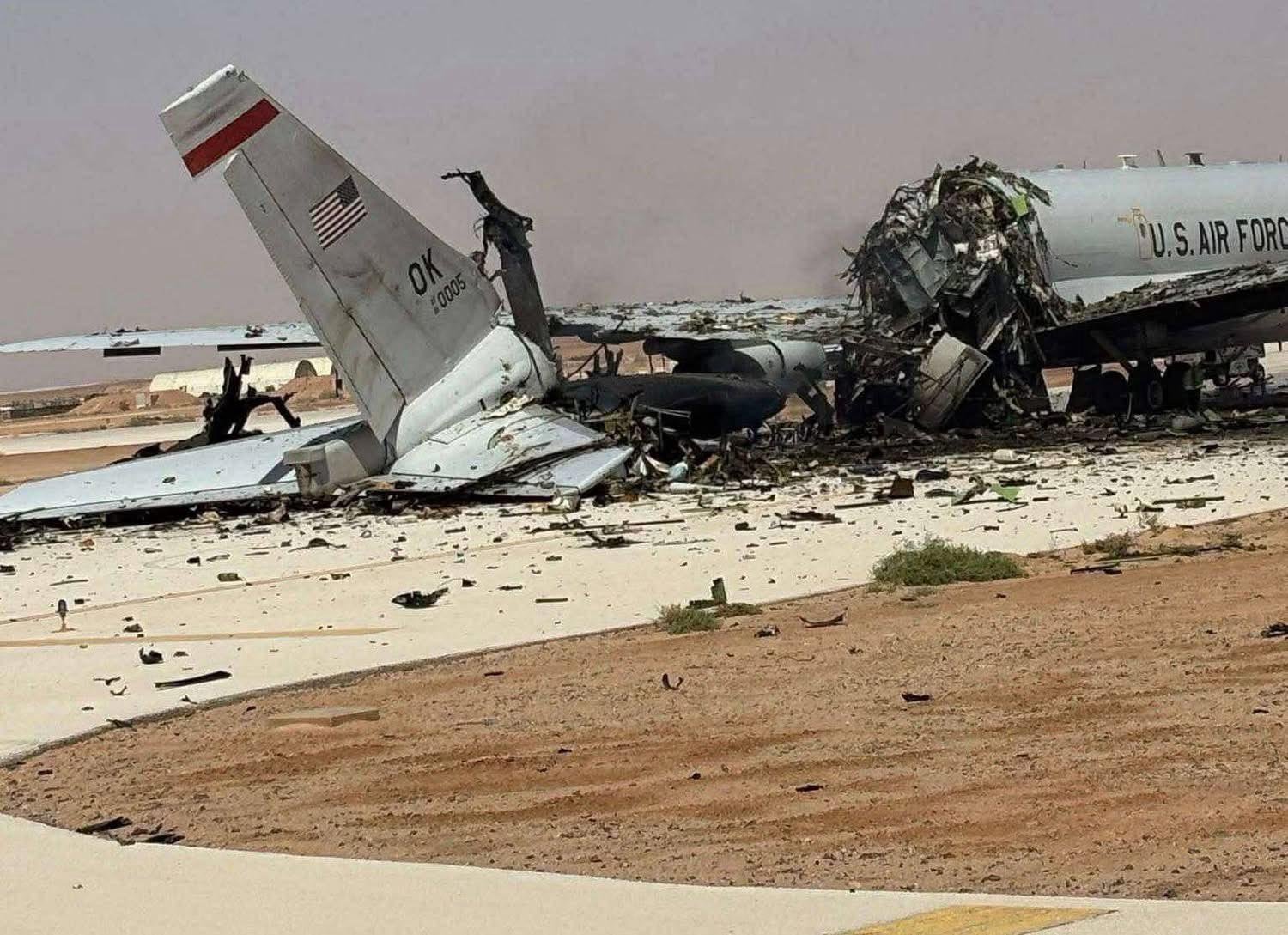
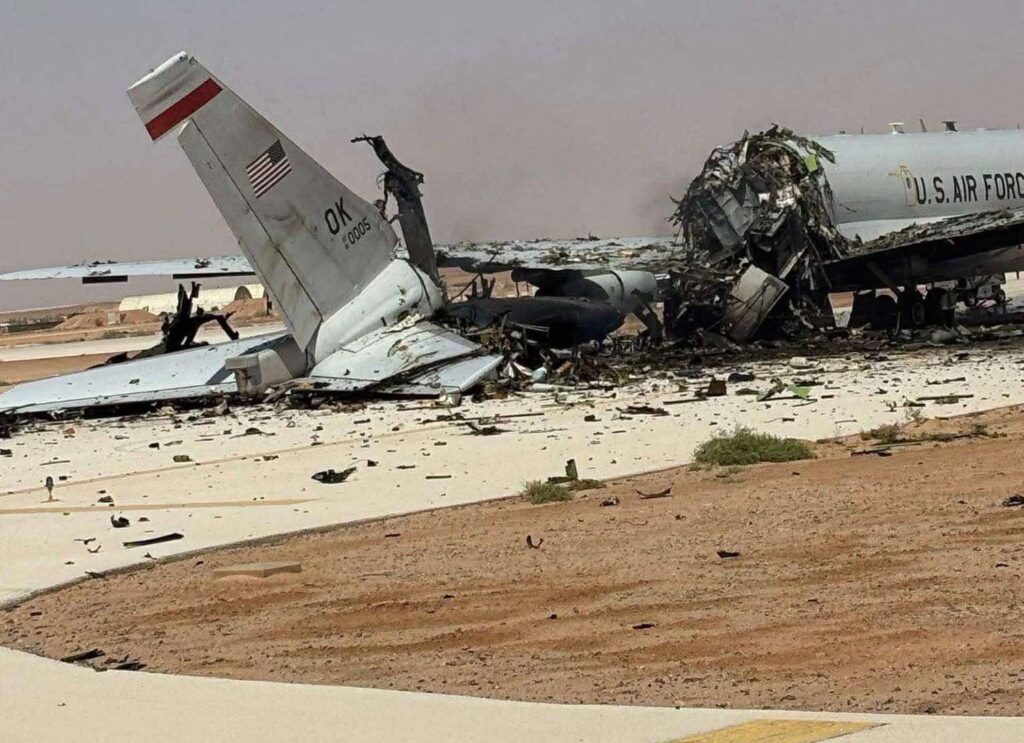
Among the most significant damage reported was to a US Air Force E-3 Sentry AWACS command-and-control aircraft, which was hit during a March 27 Iranian missile and drone strike on the base.
An Iranian strike damaged the aircraft along with aerial refuelling tankers, The Wall Street Journal reported, citing sources familiar with the matter.
The E-3 Sentry is a highly specialised airborne warning and control system, built on a modified Boeing 707 platform, and serves as a flying command centre capable of detecting and tracking aircraft, missiles and drones over a radius of up to 250 miles.
“It’s a huge deal. It hurts the US’s ability to see what’s happening in the Gulf and maintain situational awareness,” retired US Air Force Colonel John Venable said.
Prince Sultan Air Base serves as a critical hub for US operations in the Middle East, supporting intelligence gathering, aerial refuelling and strike coordination missions. Aircraft such as the E-3 Sentry are central to battlefield surveillance, while tanker aircraft extend the operational reach of combat jets.
Rising Casualties and Military Build-Up
US Central Command (CENTCOM) said 303 American personnel have been wounded since the start of the war, with 273 having already returned to duty. Around 30 remain out of action, including 10 classified as seriously injured.
Army Sgt Benjamin N. Pennington, 26, who was wounded in a March 1 attack on the same base, later died of his injuries, bringing the number of US military fatalities in the conflict to 13.
Meanwhile, the United States is expanding its military presence in the region. A Navy amphibious assault ship, the USS Tripoli, carrying approximately 2,500 Marines, has arrived in the Middle East.
The vessel, along with elements of the 31st Marine Expeditionary Unit based in Japan, had been conducting exercises near Taiwan before being redeployed. Additional forces, including the USS Boxer and other naval assets from San Diego, have also been ordered to the region.
CENTCOM said the deployment includes transport aircraft, strike fighters and amphibious assault capabilities, aimed at strengthening operational readiness.
Separately, around 3,500 Marines and sailors have recently been deployed, as Washington continues to expand its military options in the conflict.
Prior to these reinforcements, the US had already amassed its largest regional military presence in over two decades, including two aircraft carriers, multiple warships and nearly 50,000 troops.
The USS Gerald R. Ford, the US Navy’s newest and most advanced nuclear-powered aircraft carrier, recently departed the region for repairs in Europe following a mysterious fire on board.
The withdrawal of the lead ship of its class from the theatre is being seen as a setback to US efforts to sustain pressure on Iran. The supercarrier is now expected to return home rather than redeploy to the Persian Gulf, potentially reducing Washington’s immediate strike capability in the region.
Strategic and Economic Pressure
Iran has intensified retaliatory strikes not only against Israel but also against Gulf states hosting US military assets. The attacks have disrupted global air travel, impacted oil exports and driven fuel prices higher.
Tehran’s control over the Strait of Hormuz, a critical chokepoint for global energy shipments, has further amplified economic pressures worldwide.
US Secretary of State Marco Rubio said Washington could achieve its objectives without deploying ground troops but stressed that the administration must remain prepared for “multiple contingencies”.
President Donald Trump, facing growing pressure to stabilise global markets, has given Iran until April 6 to reopen the Strait of Hormuz, claiming that negotiations were progressing “very well”.
Tehran, however, has denied engaging in any such talks.
With attacks intensifying, troop deployments increasing and strategic assets coming under fire, the conflict shows little sign of easing as it enters its second month.