By Peerzada Mohsin Shafi
The road into Gulmarg on a winter morning looks like a postcard at first. Pine trees sag under fresh snow, and the air is sharp and clean. Then the cars stop moving.
A family climbs out to take photos by the roadside. Another group parks at an awkward angle, narrowing the lane. Within minutes, the slope grinds to a halt. Engines hum, and children grow restless.
A local driver points uphill. “An ambulance tried to get through an hour ago,” he says. “It had to turn back.”
Scenes like this are becoming familiar across Jammu and Kashmir. They are signs of systems struggling to keep up with the growing number of visitors.
In many busy destinations, places that host large gatherings plan for crowds as carefully as they plan buildings or roads.
Pilgrimage routes in the Middle East, football stadiums in Europe, and crowded public squares in East Asia use real-time cameras, crowd-density sensors, timed entry, wide walkways, and teams trained to watch how people move under pressure.
These measures help reduce fear and confusion. Visitors feel safer because they can move in a way that feels predictable.
Jammu and Kashmir sees crowds of a similar scale.
At Vaishno Devi in Katra, tens of thousands of pilgrims arrive on peak days. The walk passes through steep stretches and enclosed corridors built decades ago for far smaller numbers.
The stampede in 2022 at this sacred site showed what happens when a surge meets limited space and weak monitoring.
Faith draws people together, but planning keeps them safe.
The same pressures appear at other shrines such as Amarnath Cave, Hazratbal, Charar-i-Sharief, and Shahdra Sharief.
Queues stretch far beyond entry points. Entry and exit often overlap. A stumble or a sudden stop can ripple through the line. Beyond ethics, these are engineering problems.
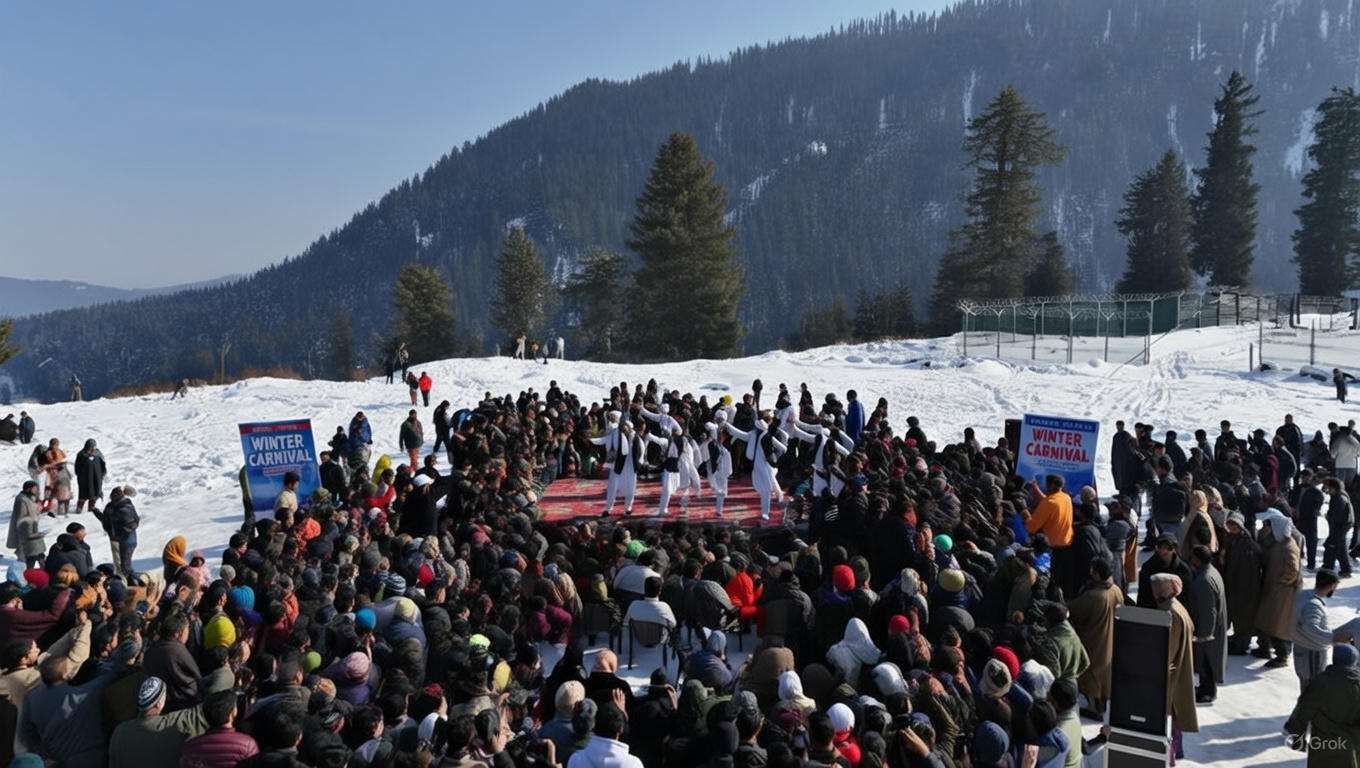
Tourism adds another layer in this crowd situation. Gulmarg, Pahalgam, Sonamarg, Doodhpathri, Yusmarg, Aru Valley, Gurez, Bangus, Patnitop, and the lakes around Srinagar all experience sharp seasonal spikes. Winter pushes the system hardest.
Early snowfall turns Gulmarg into an international skiing hub almost overnight. Roads through Tangmarg clog as visitors stop wherever snow looks inviting. Random parking narrows already tight curves. Traffic jams stretch for hours. Emergency vehicles wait behind private cars.
Pedestrians crowd single viewpoints. Slippery roads increase the chance of small accidents that quickly snowball into blockages.
Similar scenes play out in Pahalgam during peak holidays. Sonamarg faces closures during heavy snowfall, which concentrates crowds into shorter windows when the road opens.
Crowds also form when movement stops unexpectedly. The Srinagar-Jammu highway becomes a holding zone after landslides or snow. Passengers step out and gather along blocked stretches with little information. Tempers rise as hours pass.
Major transit hubs around the world plan for such moments with rest areas, clear communication, and controlled movement. The highway deserves the same thinking.
Recent tragedies elsewhere in India underline the stakes.
The crowd crush at the New Delhi railway station grew from confusion, speed mismatches, and limited exits. People did what people always do when space tightens and information runs thin. Planning failed them.
Kashmir’s terrain, with its narrow roads and steep slopes, raises the risk even higher as visitor numbers continue to grow.
A comprehensive crowd management plan for Jammu and Kashmir is both possible and plausible. Real-time monitoring at shrines and tourist hubs would allow early intervention before congestion turns dangerous. Timed entry and digital queues at pilgrimage sites would spread footfall through the day. Separate routes for opposing movement would ease pressure at choke points.
In places like Gulmarg, traffic redesign matters. Limiting private vehicles on final stretches and running shuttle buses from parking hubs would keep roads clear and emergency lanes open. Clear pedestrian zones would reduce chaos around popular spots.
Environmental limits must guide these decisions. Meadows get trampled, lakes collect waste, and trails erode when numbers exceed what the land can absorb.
Managing crowds protects visitors and preserves the landscapes they come to see. Regulated parking, clean routes, and caps on daily entries in sensitive zones would support long-term health.
Orderly movement also strengthens security. Predictable flows are easier to monitor. Visitors feel reassured when systems look calm and professional. Tourism benefits when safety feels visible.
Winter is already here. Snow will fall. Cameras will come out. Cars will line the roads. Jammu and Kashmir can choose whether those scenes end in frustration or in smooth passage.
With modern tools, careful design, and local knowledge, the region can host devotion, adventure, and beauty without putting lives at risk.
Crowd management is the foundation for safety, security, and sustainable growth.
— The author is an infrastructure columnist from Anantnag. He can be reached at [email protected].