
By Mohammed Mudassir
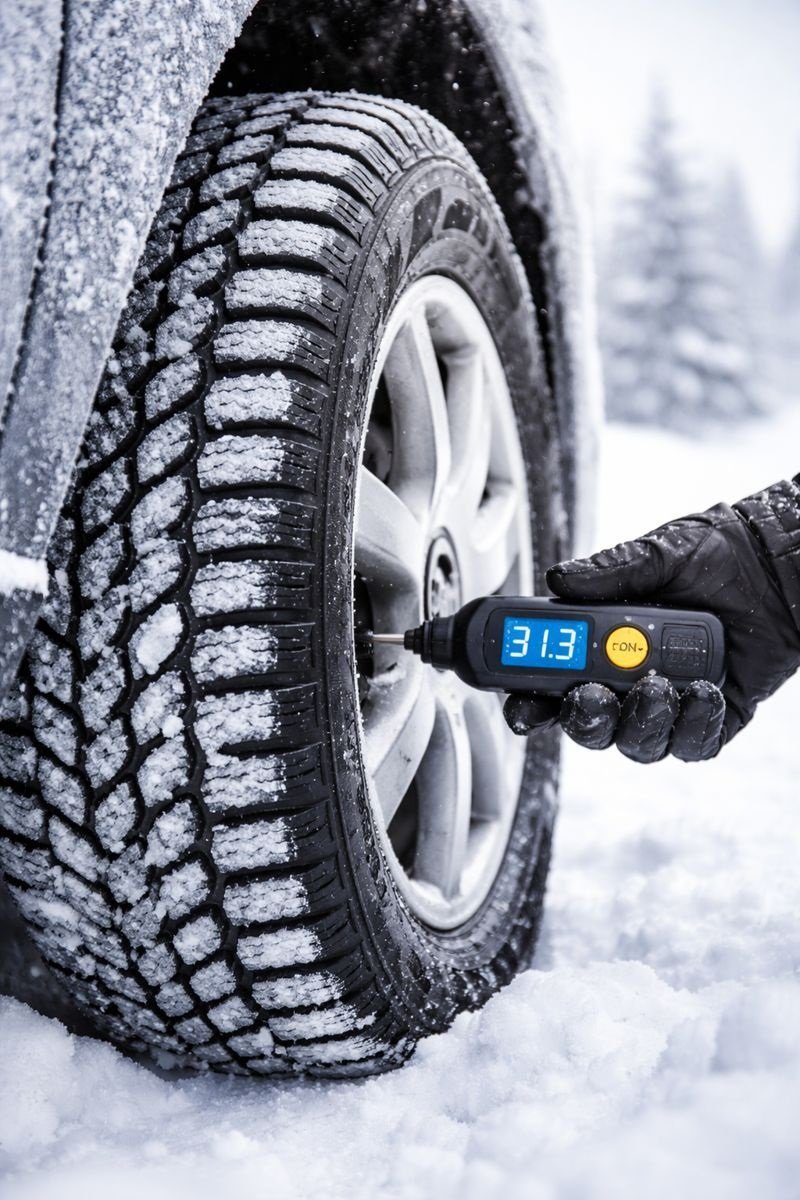
Srinagar- As winter tightens its grip over Kashmir, drivers and riders must adjust their vehicles for cold-weather conditions. One of the most overlooked yet critical steps is checking and correcting tyre pressure. Cold temperatures cause air to contract, leading to lower tyre pressure, which directly affects grip, braking, ride comfort, and safety on icy or wet roads common across the Valley.
How Cold Weather Affects Tyres
In winter, tyre pressure can drop by 1–2 PSI for every 10°C fall in temperature. Under-inflated tyres reduce the contact patch efficiency, increase stopping distances, and can compromise handling—especially dangerous on snow-dusted city roads and mountain passes around Srinagar.
Two-Wheelers: Recommended Adjustment
For motorcycles and scooters, riders should typically reduce tyre pressure by 2–3 PSI from summer settings, depending on road conditions. This slightly softer setup improves traction and stability on cold, slippery surfaces without risking tyre damage. Always adjust when tyres are cold, ideally in the morning.
Four-Wheelers: Recommended Adjustment
For cars and SUVs, experts advise lowering tyre pressure by 2–4 PSI during peak winter months. This helps maintain a better grip and ride quality on uneven, cold roads. However, avoid excessive deflation as going too low increases tyre wear and fuel consumption.
Balance Safety with Manufacturer Guidelines
Always cross-check your vehicle’s recommended tyre pressure listed on the door jamb or owner’s manual. The goal is to compensate for cold air contraction, not to underinflate beyond safe limits.
Final Word for Kashmir’s Drivers
With winter now fully set in, a simple tyre pressure check can make a big difference. Properly adjusted tyres mean better control, safer braking, and more confidence—whether navigating Srinagar’s streets or heading out on longer winter drives across the Valley.
Stay safe, drive smart, and keep your tyres winter-ready.