
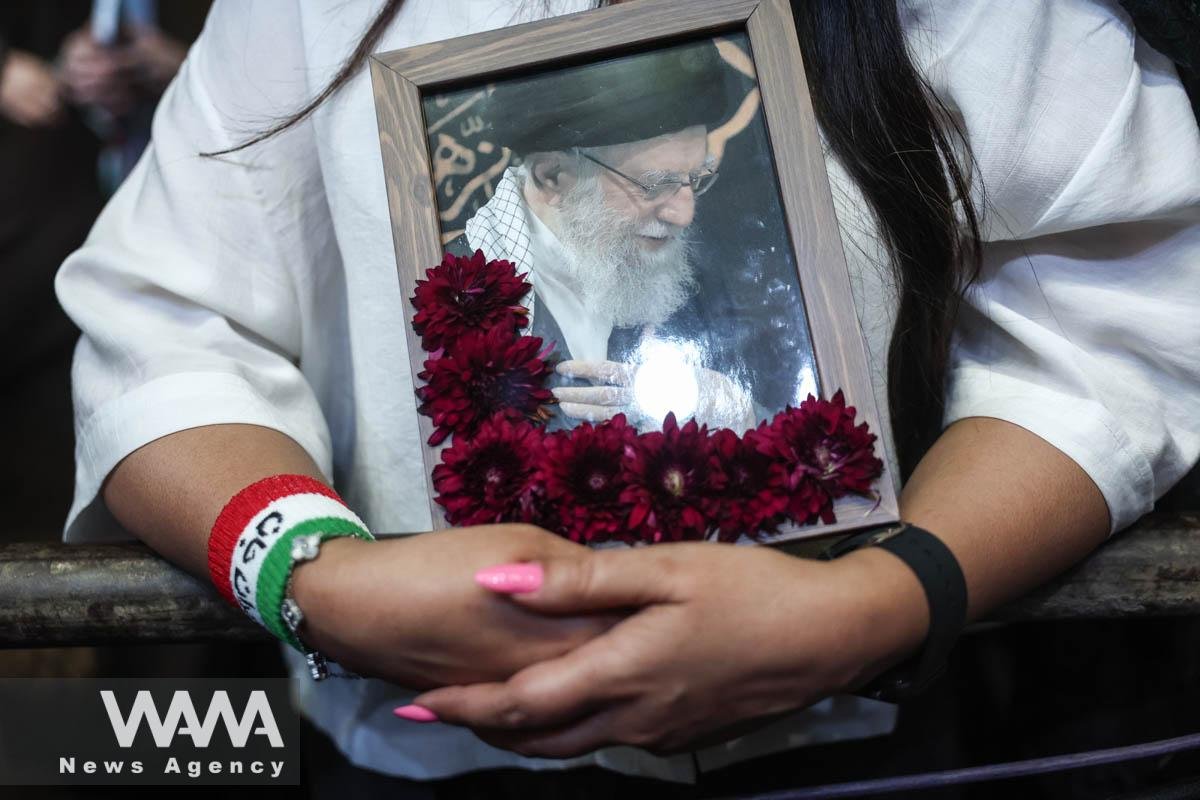

Tehran – Iranian authorities are planning what officials described as an unprecedented three-day funeral ceremony for former Supreme Leader Ayatollah Sayyed Ali Khamenei, who was assassinated by the United States and Israel earlier this year, according to statements made by Tehran’s deputy mayor on Tuesday.
Mohammad Amin, Tehran’s deputy mayor for social and cultural affairs, said farewell and funeral ceremonies would be held in Tehran, Qom and Mashhad, with preparations under way to accommodate millions of mourners from Iran and abroad.
“We are witnessing the funeral of the world’s greatest anti-arrogance leader, the greatest commander in the fight against the U.S. and Israel, a great source of emulation and the leader of the Islamic Revolution,” Amin said.
He said requests to host funeral-related events had been received from provinces across Iran and that the main ceremonies were expected to take place around the end of Dhu al-Hijjah and the beginning of Muharram in the Islamic calendar, likely in the third week of June.
The final venue for the main ceremony in Tehran has not yet been confirmed, though Tehran’s Mosalla prayer grounds and the mausoleum of Ayatollah Ruhollah Khomeini, founder of the Islamic Republic, are among the leading options under consideration. Officials are expected to announce a final decision in the coming days.
According to Amin, public farewell ceremonies will be followed by funeral prayers before the official procession begins. He said the funeral procession in Tehran alone is expected to last at least 24 hours.
Iranian officials have said the funeral was postponed for months because of the logistical challenges involved in managing the large crowds expected to attend.
Amin said authorities were preparing for between 15 million and 20 million participants and had called on neighbouring provinces and districts to prepare for a significant influx of visitors.
The ceremonies will then continue in the holy cities of Qom and Mashhad, two of Iran’s most important religious centres. Amin said that, in accordance with Ayatollah Khamenei’s wishes and recommendations from those close to him, burial is expected to take place near the sacred shrine of Imam Reza in Mashhad.
He said Iraqi tribal leaders, religious authorities and members of parliament had expressed interest in participating in or hosting parts of the commemorations, though no final decision had been taken on any events outside Iran.
Officials expect Mashhad to become a major gathering point for mourners arriving from across Iran and neighbouring countries, including Iraq, Lebanon, Yemen, Pakistan, Afghanistan and India.
To support the anticipated crowds, authorities are coordinating with surrounding cities including Karaj, Qom, Qazvin, Saveh, Semnan, Garmsar and Varamin. Local administrations are preparing temporary accommodation and logistical arrangements for visitors travelling from across Iran.
Overall command and coordination of the funeral arrangements will be overseen by Iran’s Islamic Revolutionary Guard Corps (IRGC), while municipal authorities and other state institutions will assist with transport, public services and crowd management, WANA news agency reported.
Officials described the event as an “unprecedented” funeral because of Ayatollah Khamenei’s religious and political standing.
The official also cited what he described as demonstrations of mourning across the region, saying Iraq’s judiciary chief had reported that no marriages were registered in Iraq during the first 40 days after Ayatollah Khamenei’s martyrdom. He added that symbolic funeral ceremonies had been held in Iraqi cities and that similar commemorations had taken place in Pakistan, India, Afghanistan and Yemen.
Officials said ceremonies in Tehran, Qom and Mashhad had already been confirmed while authorities continued assessing routes, infrastructure and operational requirements for what they expect to be one of the largest public gatherings in the country’s modern history.
Organisers said cultural, artistic and social groups across Iran were also preparing programmes linked to the funeral, describing it as more than a state ceremony and potentially one of the largest public commemorations since the establishment of the Islamic Republic.
Sayyed Ali Hosseini Khamenei, who served as supreme leader since 1989, was assassinated on Feb. 28 at the age of 86 along with his wife, daughter and grandchild besides several members of his family when his residence was struck by U.S. and Israeli forces during the opening phase of war launched by the US and Israel. The war has since spread across the region and sent tremors across the world with economies of countries facing the heat.
Khameneis position as supreme leader made him the central figure in Iran’s political system, with broad influence over domestic policy, foreign affairs and the country’s security apparatus.
Iranian officials announced in March that Mojtaba Khamenei, the late leader’s second-oldest son, had been appointed his successor after reportedly being injured in the same attack.
Mojtaba Khamenei has not appeared publicly or issued any direct public statements since his appointment, prompting speculation in some media outlets about his health and whereabouts. Iranian authorities have not publicly addressed those reports.