
Tehran – Tensions in the Middle East escalated further on Sunday after senior Iranian officials threatened retaliation for Israeli airstrikes on Beirut’s southern suburbs, with Iran’s parliament speaker warning that U.S. and Israeli military assets in the region had become “legitimate targets” and a senior lawmaker promising a “decisive and painful response”.
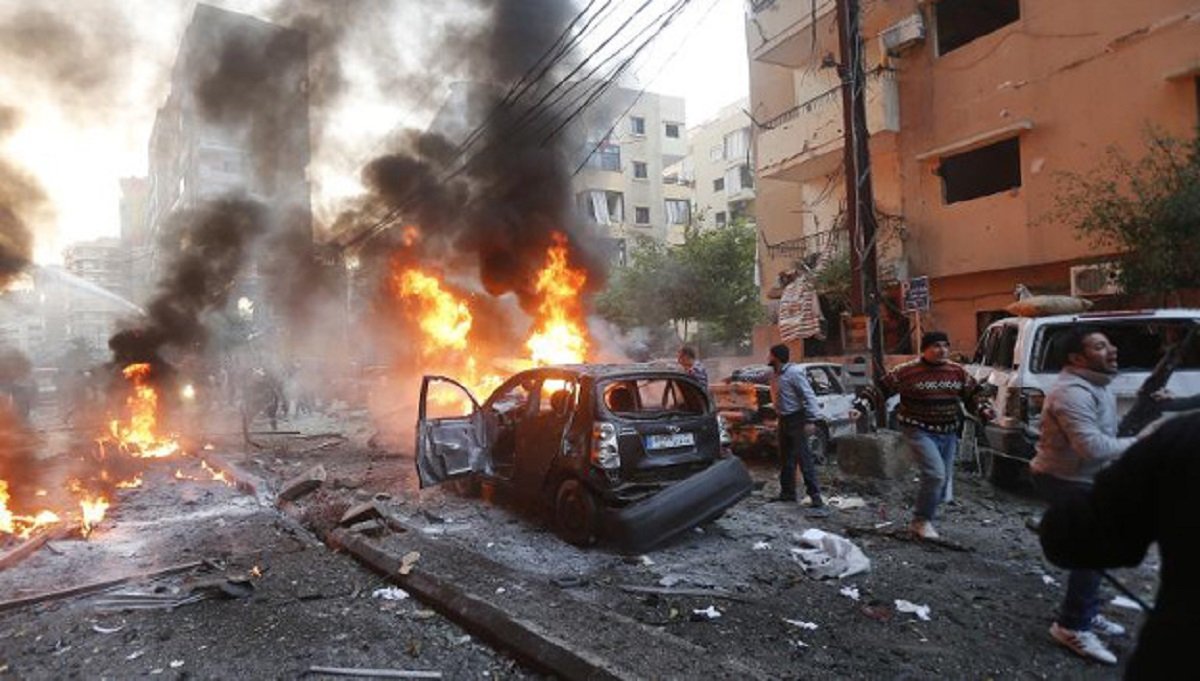
The warnings came hours after Israel launched strikes on Dahiyeh, a Hezbollah stronghold in southern Beirut, saying the operation was a response to rocket fire directed at northern Israel. Lebanese reports said at least two people were killed and 11 others wounded in the attack.
Ebrahim Rezaei, spokesman for the Iranian parliament’s National Security and Foreign Policy Commission, condemned the strike and suggested retaliation could follow.
“We will deliver a decisive and painful response to the Zionist regime’s attack on Dahiyeh,” Rezaei wrote on X.
“These rabid dogs must be disciplined and put back in their place,” he said, adding: “Watch the skies over the occupied territories tonight.”
The comments represented one of the strongest public warnings from Tehran since the latest round of tensions between Israel and the Iran-backed Hezbollah movement began.
In a separate statement, Iranian Parliament Speaker Mohammad Baqer Qalibaf accused the United States and Israel of violating ceasefire understandings and abandoning diplomacy.
“They are neither committed to a ceasefire nor believe in dialogue,” Qalibaf wrote in a post on X.
“Through the naval blockade and their violation of agreements concerning Lebanon, they have shown that they only understand the language of power.”
Referring to what Tehran describes as a U.S. naval blockade against Iran and Washington’s support for Israel, Qalibaf added: “The naval blockade against the Iranian nation and America’s green light today to the Zionist regime turn American and regime bases and assets in the region into legitimate targets.”
“The hand of our Armed Forces is open, as always,” he said.
Qalibaf’s comments came after Israel launched a fresh wave of airstrikes on Beirut’s southern suburbs despite reports that existing ceasefire arrangements were intended to prevent further attacks on the Lebanese capital.
The Israeli military said it had targeted Hezbollah infrastructure and command facilities in Dahiyeh.
Lebanese media reported multiple explosions across the area, while Israeli outlets said the al-Mreijeh neighbourhood was struck by two fighter jets firing around 10 missiles.
The office of Israeli Prime Minister Benjamin Netanyahu confirmed the operation, saying it was carried out under the direction of Netanyahu and Defence Minister Israel Katz.
The statement described the attack as a response to Hezbollah fire directed at Israel.
The strike appeared to contradict earlier comments by U.S. President Donald Trump, who said on his Truth Social platform that attacks on Beirut would cease following a telephone conversation with Netanyahu.
“I had a conversation with Bibi Netanyahu today,” Trump wrote earlier. “He turned his troops around.”
However, Israeli media later reported that Israeli officials had informed Washington in advance of the latest operation in southern Beirut.
The attack has raised fresh doubts about efforts to preserve a fragile ceasefire in Lebanon and broader diplomatic attempts to ease tensions involving Iran, Israel and the United States.
Israel’s Channel 14 reported that Israeli forces had been placed on heightened alert following the threats from Iranian officials.
The latest exchange of warnings underscores the risk of a wider regional confrontation as fighting in Lebanon increasingly complicates efforts to maintain ceasefire arrangements and revive diplomacy.
Iran has repeatedly said any lasting regional settlement must include an end to Israeli military operations in Lebanon, while Israel maintains that it will continue military action against Hezbollah targets.
The escalating rhetoric from Tehran suggests that Sunday’s strike on Beirut could further strain already fragile efforts to prevent the conflict from spreading across the region.