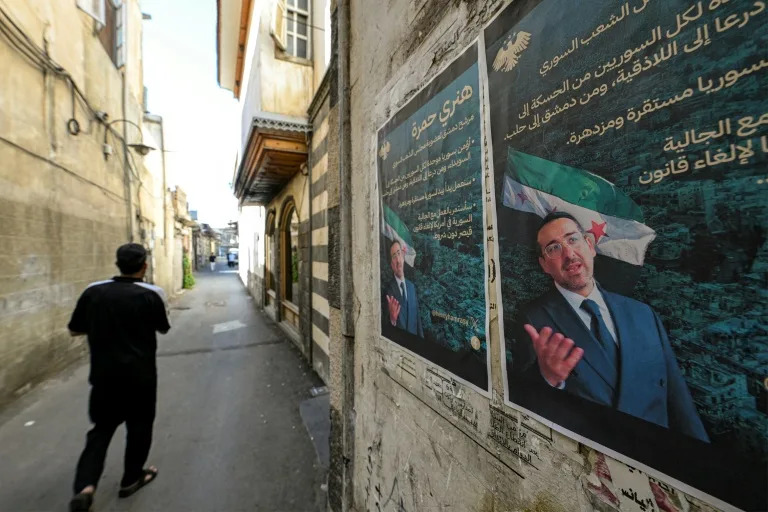
Damascus, October 5(HS): Syria is conducting its first parliamentary elections since the ouster of long-time president Bashar al-Assad last December, but voting is limited to only 50 out of 60 districts due to ongoing security crises and unresolved regional disputes. Under the transitional political arrangement, representatives for two-thirds of the 210-seat People’s Assembly are being selected through electoral colleges rather than direct voting, while interim President Ahmed al-Sharaa will appoint the remaining seats himself.
The process—overseen by a committee appointed by Sharaa—has prompted warnings from civil society groups that the structure undermines democratic representation and empowers the executive to dominate parliament. The elections are excluded from three provinces: Raqqa and Hassakeh, controlled by Kurdish-led militias, and Suweida, recently wracked by deadly clashes between government forces and Druze militias.
Sharaa, Syria’s first president to address the UN General Assembly in sixty years, has pledged accountability for wartime atrocities and institutional reforms that guarantee rights and justice for all Syrians. Yet, critics highlight the exclusion of opposition, minorities, and millions of refugees from meaningful participation, with Kurdish and Druze leaders dismissing the process as a continuation of authoritarian policies.
The violence and deep political division underscore the challenge of moving beyond Assad’s legacy. As at least 1,500 candidates vie for seats, many see the assembly as more like an appointment than a true reflection of the people’s will. Twenty seats remain vacant in the suspended provinces, awaiting future polls once security permits.
Hindusthan Samachar / Jun Sarkar