By Mohammad Ilyas Bhat
Last year, on the first day of Eid, I walked through my neighbourhood with a friend when a firecracker exploded right in front of us.
Some boys had placed a tin box over it. The metal shot straight into my friend’s knee. He bent down in pain while the boys laughed and disappeared into a nearby lane before anyone could stop them.
That scene said a great deal about what Eid has become in many places.
Newspapers still publish the same headline almost every year: “Eid celebrated with fervour and fanfare.” Those words sound familiar, though they miss the heart of the festival.
Crowded markets, endless shopping, fireworks and traffic jams now dominate public attention. The deeper meaning of Eid receives far less space.
Eid never stood for noise or public performance. Eid ul Zuha follows sacrifice, patience and gratitude. Eid ul Fitr comes after a month of fasting, discipline and self-control.
Both festive occasions ask people to think about others before themselves. They exhort families to open their doors, strengthen relationships and remember people who struggle through the year without support or recognition.
A meaningful Eid begins with compassion. It grows through generosity, forgiveness and human connection. Expensive clothes and elaborate feasts form only a small part of the picture.
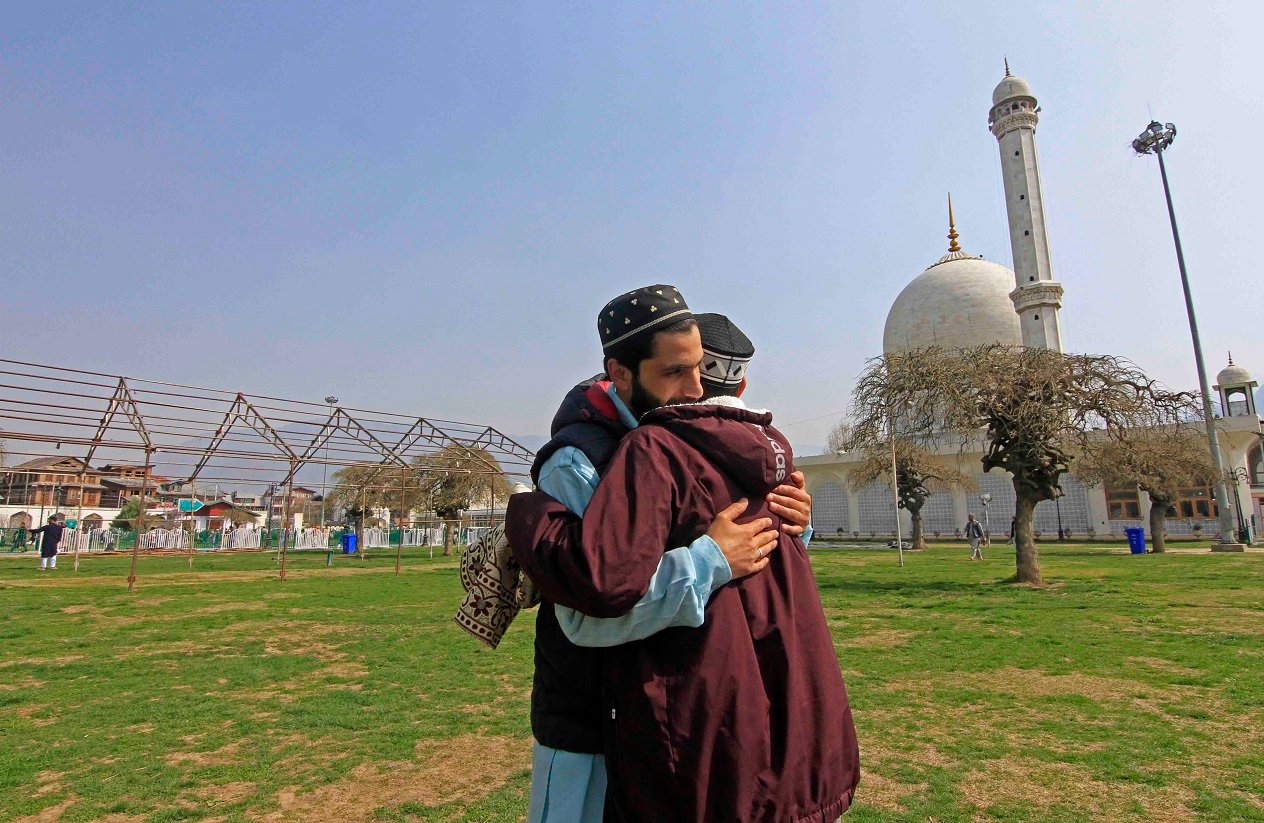
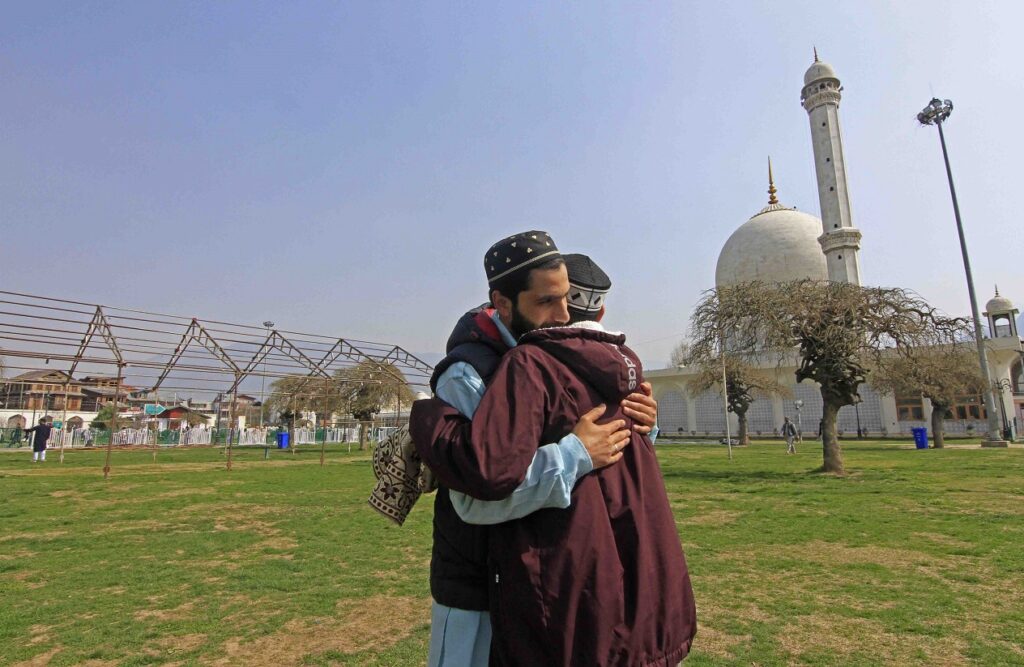
During our teenage years, Eid mornings looked very different. We offered prayers at Iqbal Park, lovingly known as Hazoori Bagh. Before the prayers began, some of us collected donations for our aidless middle school. Friends at Eidgah Ground did the same for local causes.
Those small efforts gave young people a sense of social responsibility. Eid brought excitement, though it also taught purpose.
Older Eid traditions in Kashmir strengthened families and neighbourhoods in simple, powerful ways. Families sat together around the copper trami and ate from the same plate. That tradition taught equality far more effectively than lectures ever could.
Wealth held little importance in those gatherings. Elders, children, guests and relatives all shared the same space and the same food.
Then came Eid Salam.
Families spent the day visiting relatives, neighbours and old friends. Homes remained open for guests from morning until evening. Children learned manners and respect through daily interaction with elders.
Neighbours welcomed one another warmly even after disagreements and misunderstandings.
Eid Rouf filled mohallas with songs, laughter and affection. Those traditions gave people a strong sense of belonging. They taught humility and kindness in natural ways that became part of daily life.
Many families now move in another direction.
Children grow up hearing that career and money stand above everything else. Success increasingly revolves around salary, status and social image. Relationships often receive attention only after professional goals have been achieved.
The consequences now appear everywhere: families break apart more easily, elderly parents spend long hours alone, neighbours remain distant despite living side by side for years, and young people spend entire days connected through phones and social media while emotional closeness weakens inside homes.
Islam addressed this issue long ago with remarkable clarity.
Prophet Muhammad, peace be upon him, taught believers to maintain family ties, respect parents, care for neighbours and show mercy toward others. Islamic teaching treats broken relationships as a serious moral failure because healthy societies grow through strong human bonds.
That message holds special importance during Eid.
Large sections of society now reduce the festival to shopping competitions and social display. Some people exploit workers, insult weaker people or cheat customers throughout the year, then suddenly present themselves as symbols of generosity during Eid celebrations.
Poor families often remain invisible through all this activity, even though Eid should bring them comfort and inclusion.
A society cannot celebrate honestly while hunger exists behind closed doors in the same neighbourhood. Festivals lose moral meaning when compassion, fairness and honesty disappear from public life. Newspapers may continue using phrases like “fervour and fanfare” out of habit, though festivals deserve deeper examination than ceremonial headlines allow.
The real question after Eid concerns the condition of society itself. Did families repair damaged relationships? Did someone forgive an old grievance? Did people remember widows, orphans and struggling neighbours? Did hearts become softer and cleaner after the celebration ended?
Those questions reveal the true meaning of Eid.
Education and professional ambition remain important in modern life. Kashmir’s young generation seeks opportunity in a difficult economy, and families naturally want financial security for their children.
Balance gives education its human purpose. Achievement without values creates arrogance, isolation and social decay.
Children need moral grounding alongside academic success. They need empathy alongside competition and responsibility alongside ambition. Families and schools both hold responsibility in that effort.
The finest Eid never comes with the loudest fireworks or the grandest feast. It appears in homes where debts receive forgiveness, estranged relatives embrace again and forgotten people feel valued and included.
That kind of celebration strengthens society long after the festival ends.
Kashmir once understood this social sensibility deeply. Eid taught people how to live together with affection, humility and mutual care.
That lesson still exists beneath the noise and spectacle of modern celebrations.
- The author works in agricultural seed production and is currently writing his first short story collection in Kashmir.