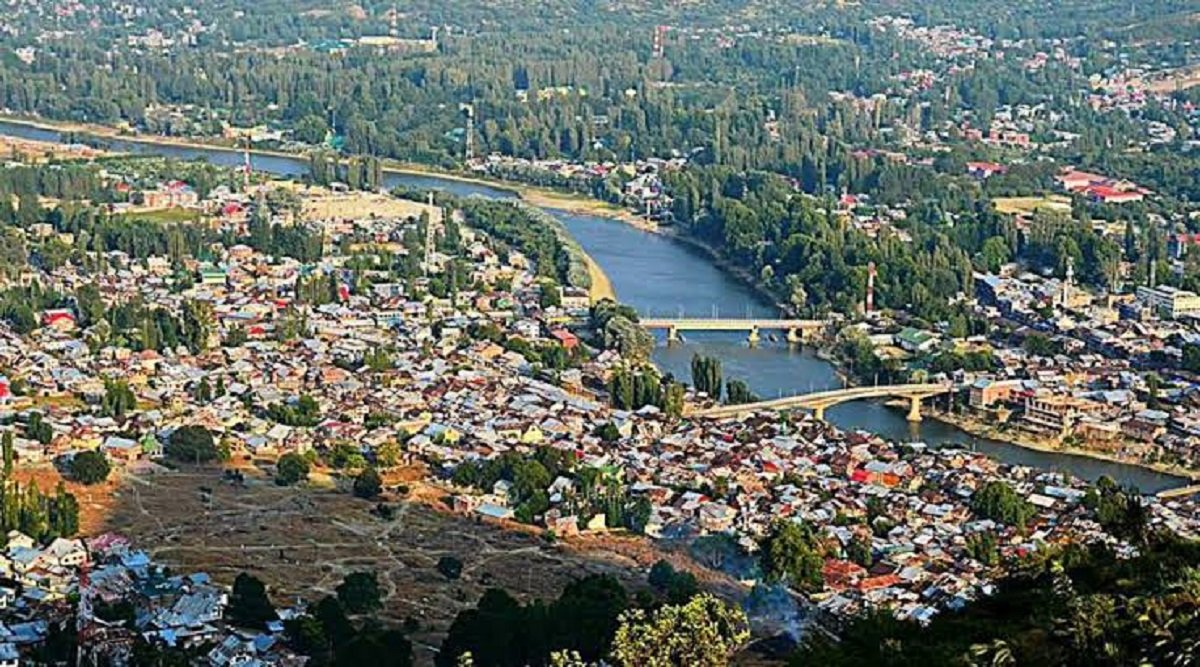

Srinagar: As winter settles over Kashmir, a gradual uptick in fire emergencies begins to surface as households rely more on heating and electrical appliances. Each year, officials note that small lapses in routine safety practices often contribute to preventable emergencies.
Fire statistics for Srinagar show a marked drop in reported incidents compared to the previous year. Last year saw approximately 720 fire incidents, averaging 60 per month. This year, the number has dropped to about 468 incidents, translating to a monthly average of 42
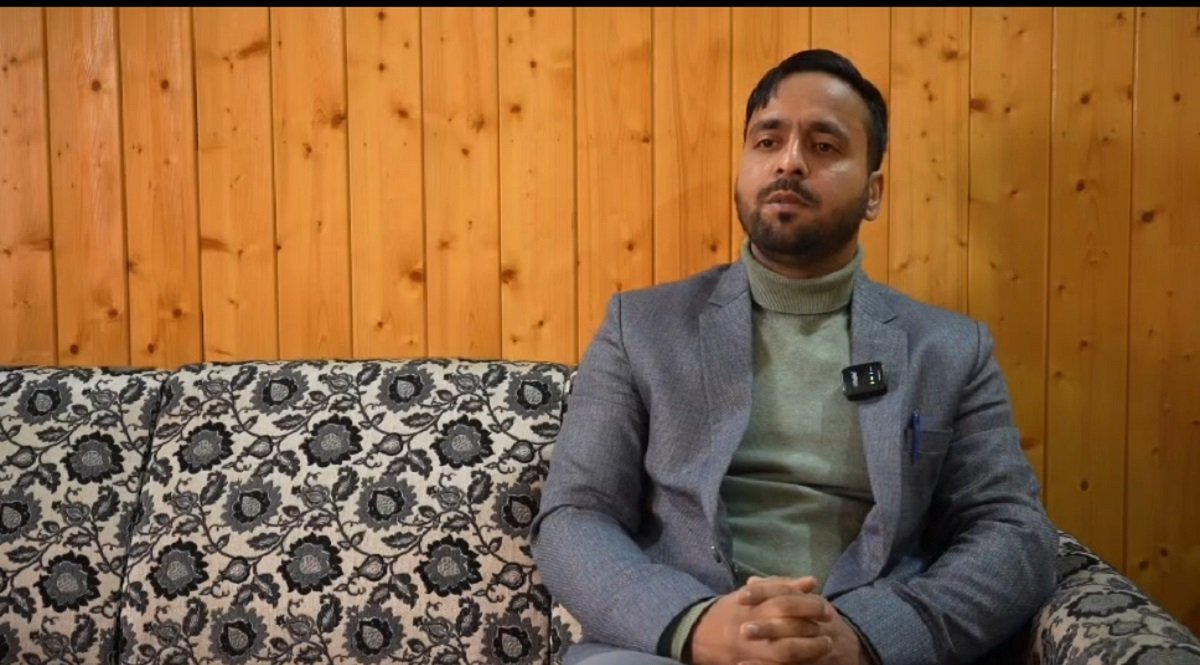
Despite the decline, Assistant Director Fire and Emergency Services Aqib Hussain Mir said winter consistently brings fresh vulnerabilities.
Mir noted that two causes dominate most incidents in Kashmir: electrical faults and LPG-related hazards.
Electrical Overload: A Leading Cause
Electrical fires commonly result from short circuits or overheating. Mir explains that winter places additional stress on wiring systems as households run multiple high-wattage appliances.
“People overload sockets without realising that the wiring may not handle the extra load,” he says.
He advises residents to conduct electrical audits and ensure protective devices such as MCBs, AFCI and RCCCB are installed. “Older wiring should be checked before the winter season begins.”
Unsafe LPG Storage and Heating Practices
LPG-related hazards continue to be a major concern. LPG, composed of Propane and Butane, can cause severe explosions if leaked gas accumulates indoors.
Mir stresses that cylinders must be stored outside the home.
“Keeping LPG cylinders inside is risky. A small spark is enough if the gas has built up in a closed space,” he told Kashmir Observer.
He also warns that LPG Bukharis must not be used while sleeping and should always be placed in well ventilated rooms because combustion reduces oxygen levels.
Prevention Begins With Basic Checks
Mir urged residents to rely only on ISI-certified heating and cooking appliances. “Gadgets that have been unused for a year or more should be inspected by experts before operation,” he said.
Additional advisory points include:
• Avoid overloading sockets
• Store combustible materials like dry grass and firewood away from living areas
• Turn off all electric and LPG devices before sleeping or leaving the house
“These small steps make a big difference. Preventive care is often what stops an incident from happening,” Mir said.
“Every device comes with a proper manual of dos and don’ts. When people follow these, the fire risk reduces significantly,” he added.
The Golden Hour: Why Early Action Matters
Mir emphasises the critical role of the first few minutes after a fire breaks out, a period referred to as the Golden Hour.
“If we do firefighting during the Golden Hour through any medium, we can prevent large losses of life and property,” he explains.
He recommends that every household keep a standard ABC type dry chemical powder extinguisher weighing five to six kilograms. These extinguishers, costing between ₹3000 and ₹10,000, act as first aid until fire services arrive. Local stations provide training for operating extinguishers safely.
‘Public Cooperation Is Key’
Fire and Emergency Services personnel exit stations within one minute of call transfer, Mir said. However, delays often occur due to factors beyond the department’s control.
“Traffic congestion, wrong parking, and public interference slow us down,” he said. “If people give timely passage to fire tenders, we reach the spot faster.”
Residents should call 1001 immediately in case of fire. Mir also warned against interfering in firefighting efforts, such as grabbing hoses, as trained professionals are equipped to handle operations safely.
A Reminder for Winter
With the valley entering peak winter, Mir urged households to adopt preventive practices consistently.“A house contains a person’s lifetime earnings. A small extinguisher and basic precautions can save life and property,” he said.Officials hope that consistent safety awareness will help reduce winter fire incidents and minimise losses across Srinagar and other parts of Kashmir.